
Alniphyllum fortunei
Alniphyllum fortunei
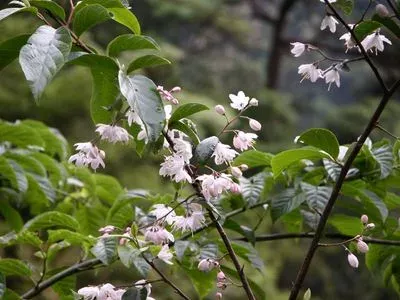
Description
Growing requirements
Alniphyllum fortunei is a deciduous tree belonging to the Styracaceae family. It originates from the forested mountain slopes of China, where it thrives in sheltered habitats that provide consistent moisture and protection from harsh environmental stressors.
Cultivation of this species requires well-drained, humus-rich soil that mimics its natural forest floor environment. The plant is sensitive to waterlogging, necessitating the selection of sites with excellent drainage properties to ensure the long-term health of its root system.
The tree prefers climates that offer moderate temperatures throughout the growing season and sufficient precipitation. While it displays some resilience, it is generally recommended to provide protection from extreme frosts, particularly during the juvenile stage of development.
Botanically, the species is distinguished by its graceful structure and serrated, alternate leaves. During the blooming season, the tree produces attractive inflorescences of white or pale-colored flowers, which contribute significantly to its ornamental appeal in horticultural settings.
The primary economic and horticultural use of Alniphyllum fortunei is in ornamental gardening and landscape design. Due to its aesthetic value and specific environmental requirements, it is frequently utilized by landscape architects for high-end gardens and botanical collections.