
Allophylus spicatus
Allophylus spicatus
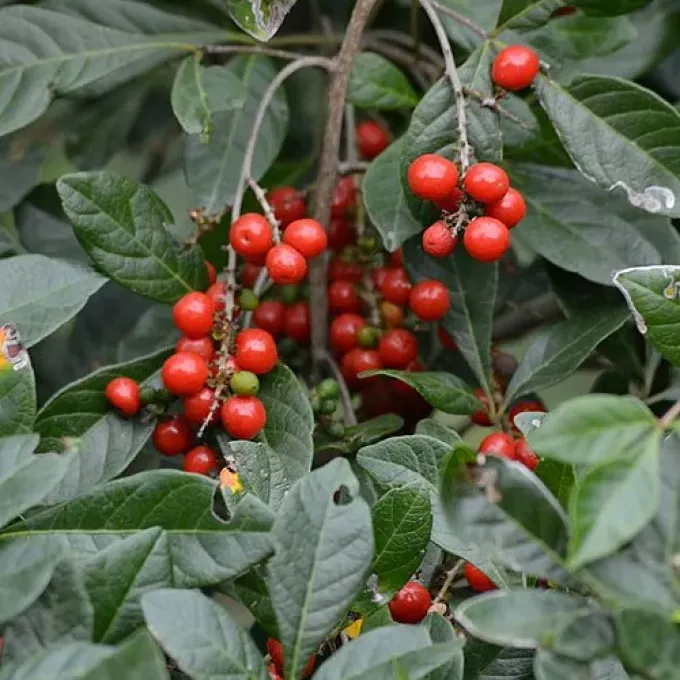
Description
Growing requirements
Allophylus spicatus is a perennial shrub or small tree belonging to the Sapindaceae family. It is primarily native to tropical Africa, where it thrives in forest margins, riverine habitats, and secondary scrublands. Its botanical morphology includes alternate, trifoliate leaves and small, distinct spike-like inflorescences.
To cultivate this species effectively, one must replicate its natural tropical environment, ensuring consistent temperatures ranging from 22°C to 30°C. The plant exhibits a preference for moist, nutrient-rich soils with excellent drainage, which prevents root rot and encourages healthy physiological growth.
Soil management should prioritize organic content, as the plant responds well to compost and mulch applications that regulate soil temperature and moisture. While it is robust, it lacks significant frost tolerance, making it strictly a plant for tropical or controlled indoor greenhouse conditions.
Regarding sunlight, Allophylus spicatus performs best under filtered light or partial shade. Exposure to intense mid-day tropical sun can negatively impact leaf health and overall development speed, therefore, placement in areas with natural canopy cover is strongly recommended.
In terms of agricultural utility, this species is frequently used in traditional medicine and is valued for its fruits, which are consumed in some regions. Sustainable harvesting of its bark and leaves requires careful pruning to ensure the longevity of the plant without stressing the main stem.
Main diseases and pests
Common phytopathological issues include fungal blights that proliferate in high-humidity conditions. Proper spacing and airflow management are essential preventive strategies to minimize the incidence of foliar diseases during the wet season.
Insect pests often associated with this species include scale insects and various sap-sucking bugs. Monitoring the underside of leaves for early signs of infestation is crucial, with biological control agents such as predatory beetles proving to be an effective management strategy.