
Allophylus racemosus
Allophylus racemosus
Description
Growing requirements
Allophylus racemosus is a woody shrub or small tree belonging to the Sapindaceae family. Native to tropical and subtropical forest regions, this species thrives in environments characterized by high humidity and consistent warmth, which are essential for its metabolic activity.
The cultivation of Allophylus racemosus requires well-drained, nutrient-rich soils that maintain moisture without becoming waterlogged. While it shows some resilience to varied soil types, it performs significantly better in fertile substrates that allow for deep root penetration and proper gas exchange.
Regarding climate, the plant prefers filtered sunlight rather than intense, direct solar radiation, as extreme heat can lead to excessive leaf transpiration. Adequate spacing between plants is recommended to facilitate airflow, which is critical for preventing the development of bacterial and fungal infections.
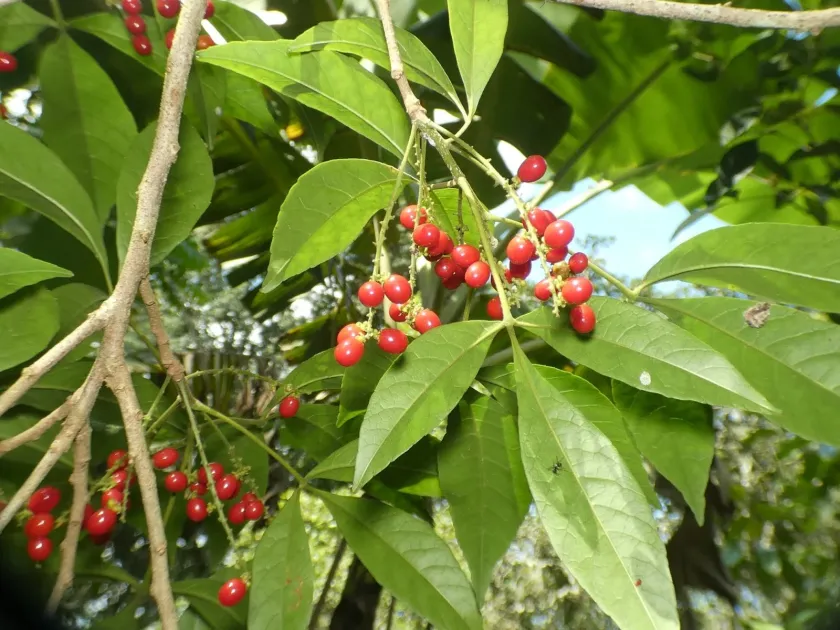
Botanical traits of the species include compound leaves arranged in a specific pattern, complemented by raceme inflorescences that produce small, fruit-bearing structures. Its growth habit is naturally branching, often forming a dense canopy that provides shade to the lower forest strata in its native habitat.
In terms of agricultural and commercial use, Allophylus racemosus is valued for its potential medicinal properties, particularly in traditional ethnobotany. Ongoing research aims to categorize its phytochemical profile, which may open new avenues for its integration into sustainable agroforestry systems.
Main diseases and pests
Major threats to Allophylus racemosus health often involve soil-borne pathogens triggered by poor drainage conditions. Preventing water accumulation at the base of the plant is the most effective management strategy to ensure long-term vitality and prevent root rotting issues.
Pest pressure is primarily driven by sap-sucking insects, such as mealybugs and whiteflies, especially during dry seasons when the plant's natural defenses may be weakened. Monitoring programs and the use of targeted biological controls are advised to maintain plant health without disrupting the local ecosystem.