
Allophylus occidentalis
Allophylus occidentalis
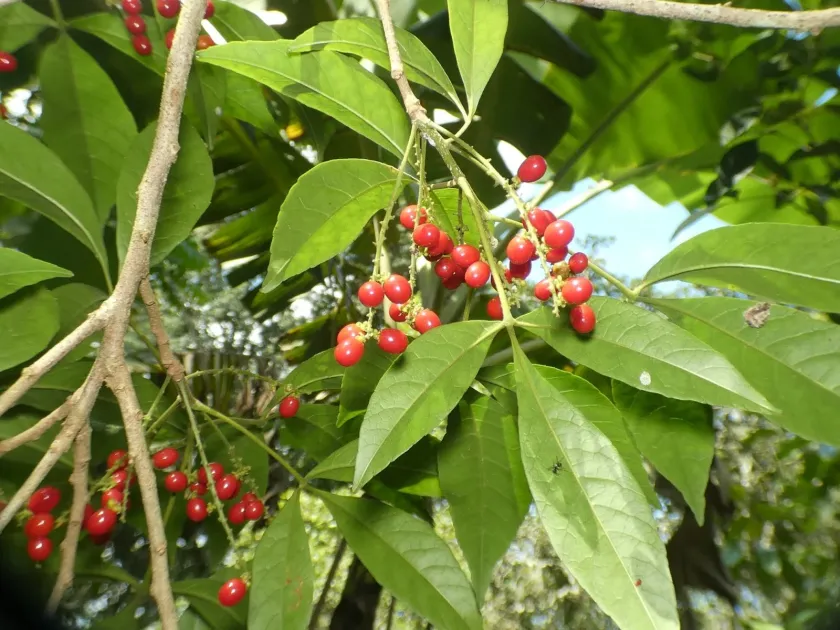
Description
Growing requirements
Allophylus occidentalis is a woody plant species belonging to the Sapindaceae family. Native to tropical regions of the Americas, this tree is commonly found in tropical forests and along forest margins, thriving in diverse ecological niches.
The plant requires well-drained soils rich in organic matter to achieve optimal growth. While it is adaptable to various soil types, it performs best in environments where moisture is consistently available without the risk of waterlogging.
Climatic requirements are strictly tropical, necessitating high temperatures throughout the year. It does not possess any frost tolerance, making its cultivation restricted to regions that remain warm during all seasons.
Botanically, it is characterized by compound leaves and small, inconspicuous flowers that develop into small, fleshy fruits. These fruits serve as a critical food source for local bird species and small mammals.
Economic use of this plant is primarily focused on local agroforestry and ecological restoration projects. It is appreciated for its ability to maintain soil stability and provide resources for local fauna in its natural range.
Main diseases and pests
The most common health issues for this species involve fungal infections of the foliage, which occur during periods of high humidity and poor air circulation. These infections typically manifest as spots or wilting.
Insect pests represent the primary threat to the vitality of young saplings. Leaf-eating caterpillars and certain types of beetles often target the foliage during the active growth season.
Management of these threats relies on cultural practices, such as ensuring proper spacing between plants to allow for airflow. Removing infected leaves promptly helps to mitigate the spread of pathogens.
The use of pesticides should be minimized, as the tree provides essential food for birds and beneficial insects. Integrated pest management strategies are highly recommended for sustainable growth.
General resilience against disease is considered high when the tree is cultivated in suitable environmental conditions. Providing sufficient sunlight and balanced nutrients prevents most common stress-related ailments.