
Allophylus natalensis
Allophylus natalensis
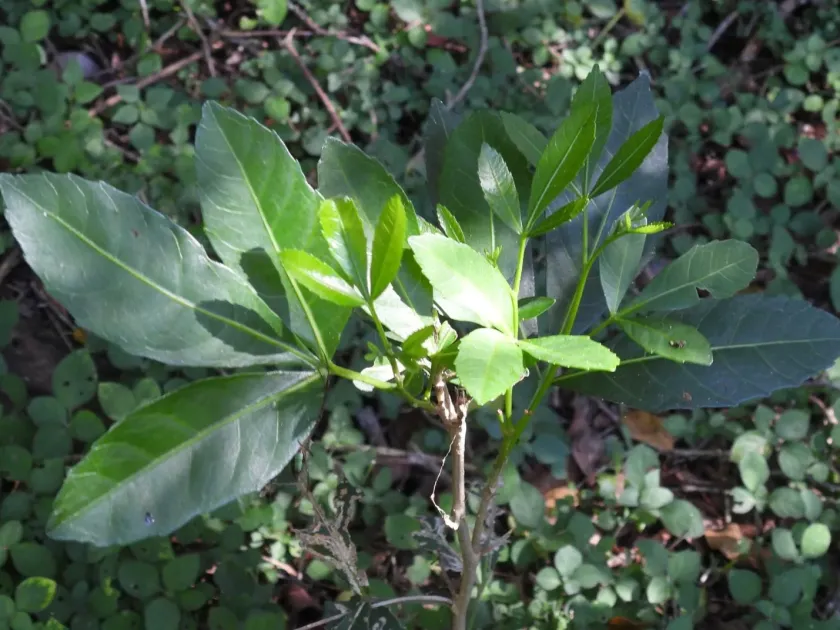
Description
Sowing dates
Propagation of Allophylus natalensis is primarily achieved through seeds, which must be collected fresh due to their short viability period. Sowing is recommended immediately after harvest in a well-draining, nutrient-rich potting medium.
Optimal germination conditions include a warm, humid environment with temperatures consistently between 22 and 25 degrees Celsius. The soil should be kept moist but never saturated to prevent seed rot.
Stem cuttings represent an effective asexual propagation method. Semi-hardwood cuttings taken during the active growth phase show the highest rooting success rate when treated with rooting hormones.
Seedlings should be kept in a controlled nursery environment for the first few months. Gradual hardening-off processes are essential before transplanting them to their permanent outdoor location.
The best time to transplant young saplings into the field is at the onset of the rainy season. This timing maximizes root establishment before the plants encounter the stresses of a dry season.
Growing requirements
Allophylus natalensis belongs to the Sapindaceae family and is native to the coastal scrub and forest regions of Southern Africa. It is a highly resilient species well-adapted to maritime environments and saline winds.
The plant thrives in sandy or loamy soils that offer excellent drainage. While it prefers neutral soil pH, it demonstrates adaptability to a range of soil types provided that aeration is sufficient.
Full sun is ideal for promoting dense canopy growth, though young plants benefit from light shade. The tree is noted for its ability to withstand exposure to salt spray, making it a valuable candidate for coastal landscaping.
Agrotechnical management requires consistent irrigation during the establishment phase. Mature trees are significantly more drought-tolerant and can survive with minimal supplementary water in their natural climate.
Periodic pruning is beneficial to maintain a desirable tree shape and density. Removing dead or crossing branches helps ensure optimal airflow through the canopy and prevents potential disease buildup.
Main diseases and pests
Allophylus natalensis exhibits strong natural resistance to many common agricultural pests. Most infestations are superficial and do not warrant extensive chemical control measures.
Fungal issues, such as leaf spot or root rot, are typically restricted to situations involving poor drainage or high humidity combined with stagnant air. Providing adequate space between trees is a key preventative measure.
Young plants may be vulnerable to browsing by herbivorous wildlife. Protective netting or fencing is recommended during the first few years of growth to ensure the plant reaches maturity undisturbed.
Weed management is critical in the early stages of development. Invasive groundcover can quickly outcompete young saplings for nutrients and light, necessitating regular weeding of the base.
Environmental stress, particularly prolonged flooding or severe frost, can compromise the tree's health. Monitoring soil moisture and protecting vulnerable specimens from extreme cold are essential management steps.
Harvesting
The harvest of Allophylus natalensis involves the collection of its fruit, which is highly sought after by local wildlife. While not a major commercial food crop, its ecological role is essential for supporting local biodiversity.
The wood of this tree is known for its durability and structural integrity. It is occasionally harvested for small-scale woodcraft and the production of tool handles or ornamental items.
Floral nectar production makes this species a significant asset for local pollinator populations. Beekeepers value the presence of these trees near managed apiaries for their role in seasonal nectar flows.
Sustainable harvesting practices are encouraged when utilizing branches or leaves for botanical research or traditional purposes. Careful pruning techniques ensure that the plant continues to thrive after harvesting.
Overall, the primary value of this tree is found in its role within ecosystem services and environmental restoration projects, rather than intensive industrial harvesting.