
Allophylus dregeanus
Allophylus dregeanus
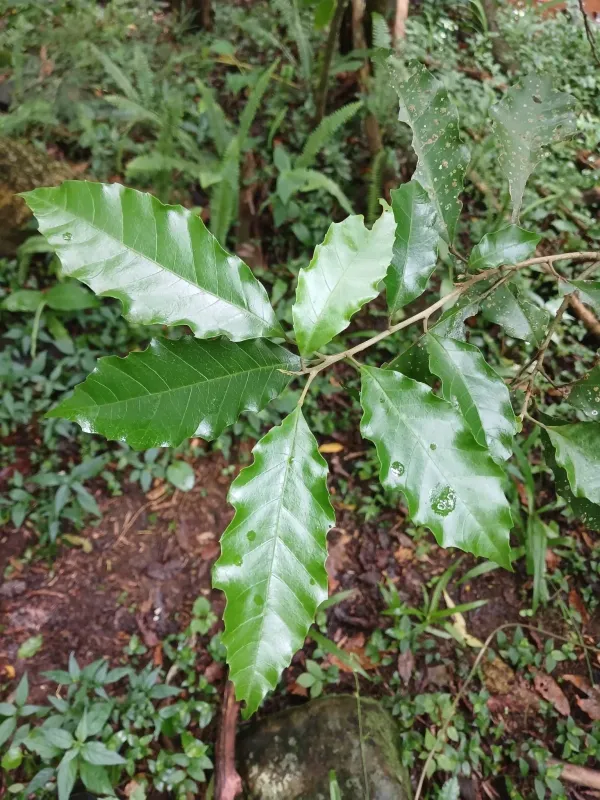
Description
Growing requirements
Allophylus dregeanus is an evergreen woody plant or shrub belonging to the Sapindaceae family. Native to South Africa, it primarily thrives in coastal forest margins and thickets, where the environment provides consistent humidity and moderate temperature ranges throughout the year.
The plant features distinct trifoliate leaves with prominent venation, contributing to its dense foliage structure. Small, inconspicuous flowers form in axillary racemes, eventually producing fleshy fruits that are characteristic of the genus, playing a crucial role in local ecosystem dynamics.
Agricultural requirements include well-drained, nutrient-rich soils with a neutral pH. The species is highly sensitive to frost, necessitating placement in sheltered areas if cultivated in subtropical climate zones that experience occasional temperature drops during winter months.
In terms of landscaping and use, the plant is valued for its capacity to form robust hedges and screening barriers. Its dense growth habit makes it an excellent candidate for urban greening projects, providing both visual appeal and a habitat for local avian and insect populations.
Economic and ecological utility extends to its role in biodiversity conservation. The fruits produced by Allophylus dregeanus are an essential food source for wildlife, and the plant contributes to soil stabilization in its native range, helping to prevent erosion in sandy coastal soils.
Main diseases and pests
Common threats to the plant include fungal diseases such as leaf spot, which are often triggered by high humidity combined with poor airflow within the canopy. Maintaining proper spacing between plants is essential to reduce the incidence of these pathogens.
Pest management should focus on monitoring for sap-sucking insects like aphids and scales, which can weaken the plant and reduce its aesthetic value. Integrated pest management, emphasizing natural predators and horticultural oils, is highly recommended for effective control.