
Allophylus alnifolius
Allophylus alnifolius
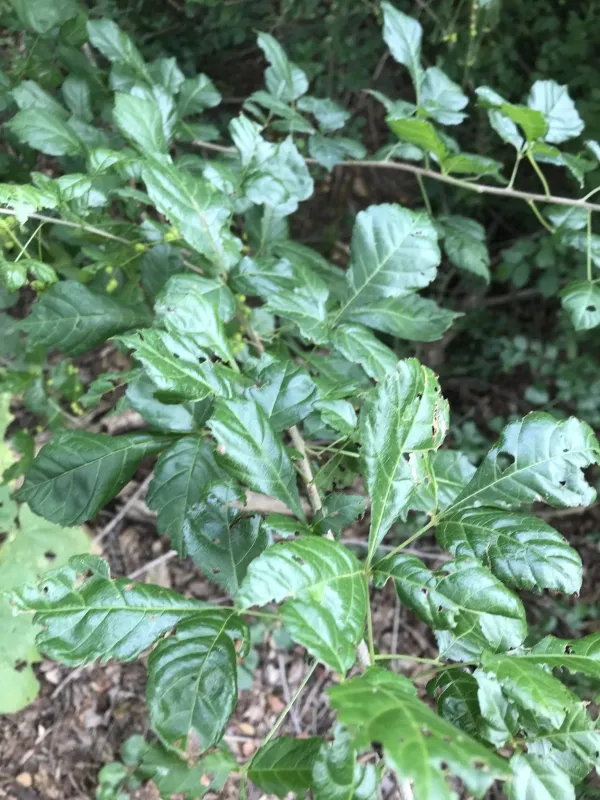
Description
Growing requirements
Allophylus alnifolius is an evergreen shrub or small tree belonging to the Sapindaceae family, native to tropical regions of Africa. It is characterized by its alder-like leaves, which gives the plant its scientific name, and its adaptability to diverse ecological niches.
The plant thrives in tropical climates where the temperature remains consistent throughout the year. It requires a significant amount of sunshine for optimal photosynthesis, making open sites or light forests the ideal environment for its successful cultivation and development.
Soil requirements for this species focus on drainage and organic content. It prefers well-drained sandy or loamy soils that can hold sufficient moisture without becoming waterlogged, as stagnant water poses a risk to its overall health and root system stability.
Standard cultivation techniques involve regular pruning to manage the bush density and promote the growth of young, nutrient-rich leaves. Depending on the intended use, planting density is adjusted to ensure sufficient space for each plant to reach its full size.
Economically, Allophylus alnifolius is valued for its traditional medicinal properties, including the use of decoctions from its leaves to treat various inflammatory conditions. It is also used locally for small-scale timber works and as a hedge plant in rural areas.
Main diseases and pests
Pest pressure primarily comes from common tropical leaf-eating insects and boring beetles. Integrated pest management strategies, involving manual monitoring and localized organic treatments, are recommended to protect the crop without harming the local environment.
Fungal diseases such as blight or leaf spots may appear under conditions of excessive humidity and poor air circulation. To mitigate these risks, it is essential to maintain proper spacing between plants to allow for airflow and quick drying of the foliage after rain.