
African Allophylus
Allophylus africanus
Description
Growing requirements
African Allophylus (Allophylus africanus) is a versatile perennial shrub or small tree belonging to the Sapindaceae family. Native to tropical Africa, this species is highly valued in local agroforestry systems and traditional medicine for its diverse range of secondary metabolites.
The plant thrives in well-drained, fertile soils ranging from sandy loams to rich forest soils. It is particularly well-adapted to environments where soil aeration is high, though it shows remarkable resilience to less fertile substrates when established properly.
Climatic requirements involve stable tropical temperatures, usually between 20°C and 30°C. While the species is accustomed to heat, extreme exposure to direct, scorching sun without adequate moisture can inhibit young leaf development.
Water requirements for this crop are moderate. It possesses a deep rooting system that allows it to survive seasonal dry spells, but consistent irrigation during the peak growing season significantly enhances biomass production and fruit yield.
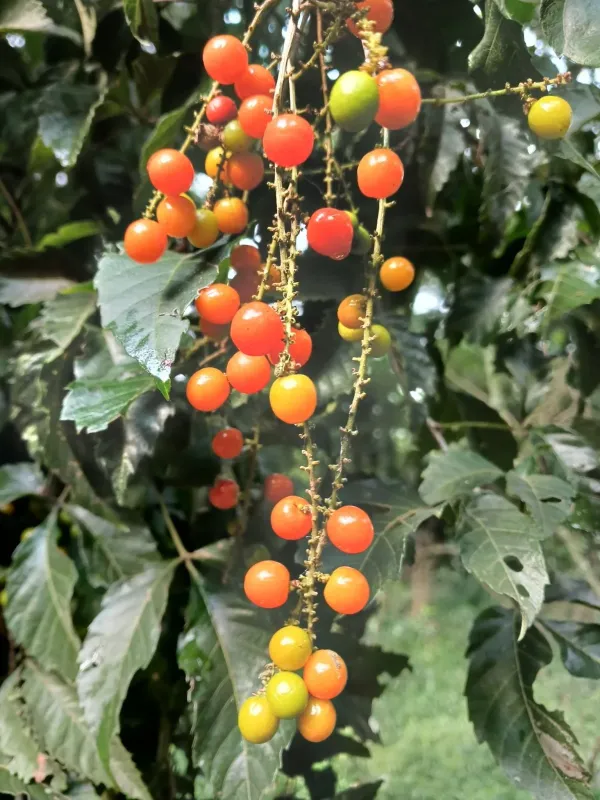
Botanically, it is recognized by its trifoliate leaves and clusters of small berries. It plays a significant role in ecological restoration, providing shade and forage for local wildlife while serving as a medicinal resource for various skin and internal conditions.
Main diseases and pests
Pests such as scale insects and aphids represent the most frequent threat to the vitality of the plant. These insects concentrate on tender shoot tips, potentially stunting growth if left untreated during the early stages of the season.
Fungal leaf spot diseases occur frequently in high-humidity zones. To mitigate these risks, canopy management is essential, ensuring that airflow is sufficient to prevent the accumulation of moisture on the foliage.
Root rot, driven by stagnant water in the soil, is the most lethal condition for established plants. Improving the physical structure of the soil and providing proper drainage is the most effective preventative measure against soil-borne pathogens.
Defoliating insects can occasionally cause significant damage, especially during the flush period. Integrated pest management (IPM) strategies, including the introduction of natural predators, are recommended for large-scale cultivation areas.
Maintaining high soil fertility and optimal pH levels helps the plant develop a robust natural defense mechanism, reducing the overall need for synthetic interventions in the management of disease outbreaks.