
Allophylus abyssinicus
Allophylus abyssinicus
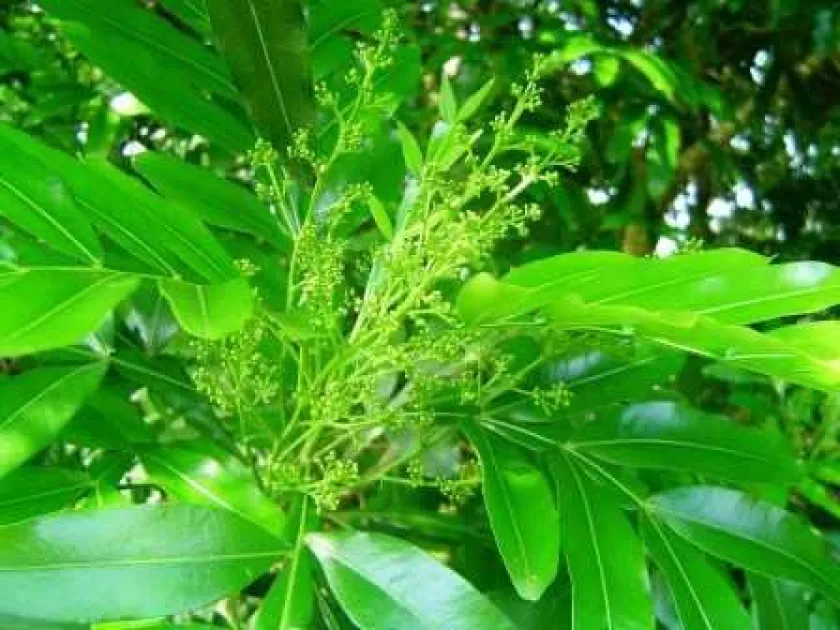
Description
Growing requirements
Allophylus abyssinicus is a plant species belonging to the Sapindaceae family, native to the tropical highlands of Africa. It typically grows as a shrub or small tree within forest understories and along mountain forest edges.
The plant thrives in regions with tropical montane climates, characterized by moderate temperatures and distinct wet and dry seasons. It is well-adapted to high-altitude environments where moisture is abundant and air humidity remains consistently high.
Soil requirements for optimal growth involve well-drained, nutrient-rich substrates. While it shows some tolerance to varying soil acidity, deep loam soils are preferred to allow for healthy root expansion and nutrient uptake.
Cultural management requires careful attention to light levels; although the plant can tolerate partial shade, increased exposure to sunlight often promotes more vigorous fruiting. Wind protection is essential for young trees to ensure structural integrity.
Regular maintenance practices, including the removal of competing weeds, are necessary during the early stages of establishment. Adequate spacing between individuals ensures sufficient airflow, reducing the risk of humidity-related pathogens.
Yield
The primary economic value of Allophylus abyssinicus lies in its fruit, which is harvested for local consumption and traditional medicinal uses. The berries are valued for their bioactive properties, including antioxidants.
Harvesting is typically performed manually once the fruit reaches full maturity, ensuring high quality for post-harvest processing. Yield potential is influenced by the density of the canopy and the available soil moisture throughout the growth season.
Beyond the fruit, the leaves are harvested for medicinal extracts used in various traditional health applications. This multi-product harvesting approach enhances the agricultural value of the tree.
Timber utilization, though secondary, provides additional revenue. The wood is recognized for its durability, making it suitable for crafting tools and household implements in rural settings.
Sustainable agricultural practices ensure that harvesting does not compromise the plant's health. With proper management, mature trees can provide consistent yields for several decades in managed forest systems.
Main diseases and pests
The species faces threats from common tropical insect pests that target leaves and succulent shoots. Integrated pest management strategies, such as physical removal and biological control agents, are often employed.
Fungal pathogens causing leaf spots may occur in environments with poor air circulation or stagnant moisture. Pruning and canopy management are vital cultural practices to mitigate these fungal risks.
Soil-borne pathogens represent a potential danger, especially in poorly drained sites where root suffocation may occur. Selecting appropriate sites with natural slopes is a preventive measure against such threats.
Young plants are susceptible to browsing by herbivores, which can damage the bark and stunt growth. Protective measures are necessary during the first few years of the plantation development.
Despite these challenges, Allophylus abyssinicus is considered a resilient species. Proactive monitoring and adherence to good agricultural practices significantly reduce the impact of typical pests and diseases.