
Blue Hawaii
Otacanthus caeruleus Lindl.
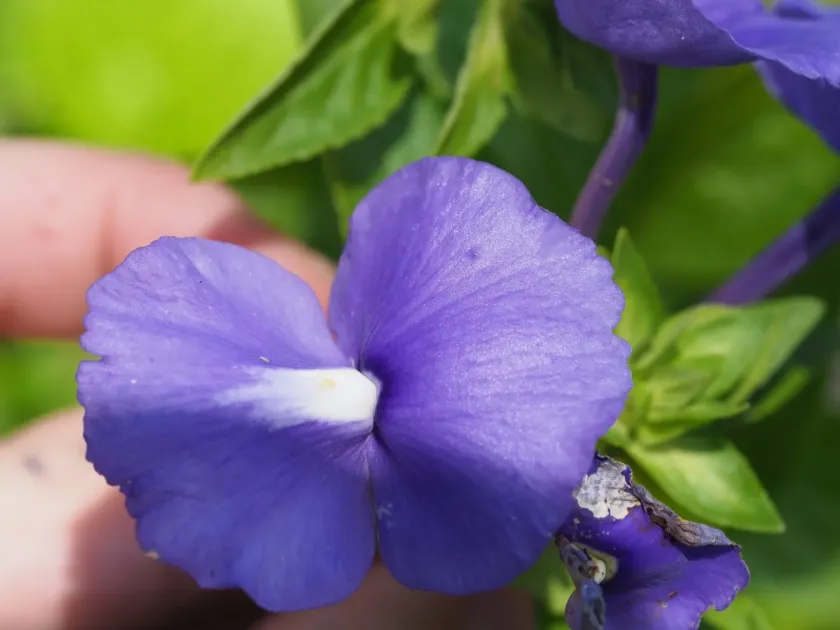
Description
Growing requirements
Otacanthus caeruleus, commonly known as Blue Hawaii, is a member of the Acanthaceae family. This perennial, evergreen shrub is native to Brazil, where it thrives in tropical environments characterized by high ambient humidity and warmth.
The crop is strictly frost-tender and requires a tropical or subtropical climate to flourish outdoors year-round. In temperate regions, it is cultivated as an annual or a container plant that must be moved indoors before the first frosts.
Cultivation requires fertile, well-draining soil with a slightly acidic to neutral pH. Proper soil structure is essential, as the plant is susceptible to root rot if the growing medium remains waterlogged for extended periods.
The plant performs best under bright, indirect sunlight. While it can tolerate partial shade, intense direct sunlight may cause leaf scorch, and insufficient light levels will significantly inhibit its characteristic prolific flowering.
Regular maintenance includes consistent moisture management and the application of balanced liquid fertilizers during the active growing season. Pruning is recommended to encourage branching and maintain a bushy habit.
Main diseases and pests
Common pests affecting Otacanthus caeruleus include spider mites and whiteflies, especially in greenhouse conditions where the air may become dry and stagnant.
Fungal issues, including powdery mildew and root rot, are typically associated with poor air circulation and excessive irrigation. Maintaining good drainage and proper spacing between plants helps to mitigate these risks effectively.