
Boesenbergia rotunda
Boesenbergia rotunda
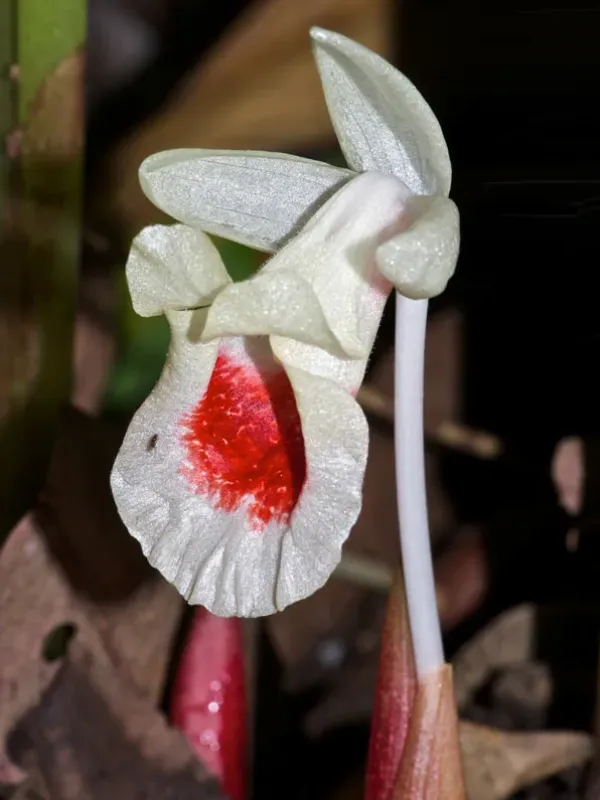
Description
Sowing dates
Boesenbergia rotunda is primarily propagated through the division of rhizomes, as seed propagation is impractical for large-scale agricultural production.
Planting typically commences at the beginning of the rainy season when the soil is warm and moist, facilitating the establishment of the root system.
When selecting rhizome segments for planting, it is crucial to ensure each piece has several viable buds to promote rapid sprouting and vigorous growth of the foliage.
Plants should be spaced approximately 30–40 cm apart to provide sufficient room for the lateral expansion of the root mass throughout the growing season.
Applying organic mulch immediately after planting helps conserve soil moisture and suppresses weeds, which are significant competitors in the early stages of development.
Growing requirements
As a member of the Zingiberaceae family, Boesenbergia rotunda thrives in tropical climates and is highly sensitive to frost, necessitating consistent warm temperatures.
The crop prefers partial shade or dappled sunlight; intense, direct tropical sun can scorch the leaves and negatively impact the plant’s overall physiological health.
A well-draining, fertile soil rich in organic matter is essential for successful cultivation, as stagnant water is a primary cause of rhizome decay.
The optimal soil pH range for this crop is slightly acidic to neutral, allowing for efficient nutrient uptake and minimizing the risk of mineral deficiencies.
Regular irrigation is vital during the active growing season, but watering must be carefully managed to avoid oversaturation during the plant's natural dormancy phase.
Yield
The maturation period for Boesenbergia rotunda usually spans 8 to 12 months, after which the rhizomes reach their peak quality and concentration of active compounds.
Yield potential is heavily influenced by soil fertility and consistent management of the water supply, which supports sustained rhizome enlargement.
Commercial producers focus on optimizing harvesting windows to ensure that the rhizomes have accumulated sufficient essential oils and flavoring agents required for the market.
Strategic application of potassium-rich fertilizers can significantly enhance yield, as this nutrient is critical for the development of the rhizome mass.
Consistent agricultural practices and adherence to proper cultivation schedules typically lead to reliable annual yields that meet the demands of both culinary and herbal sectors.
Main diseases and pests
Root rot caused by fungal pathogens is the most significant threat to Boesenbergia rotunda, particularly in poorly drained or overly humid environmental conditions.
Nematode infestations frequently damage the roots, weakening the plant and creating entry points for secondary bacterial and fungal infections that can decimate a crop.
Common insect pests, including aphids and spider mites, can stress the plant, reducing its photosynthetic efficiency and ultimately lowering the quality of the harvested rhizomes.
Integrated Pest Management strategies, including the use of disease-free planting material and regular field monitoring, are essential for maintaining crop health.
Maintaining a clean field environment by removing weeds and infected debris helps prevent the transmission of pests and pathogens between growing seasons.
Harvesting
Harvesting should be conducted when the foliage starts to yellow and wither, indicating that the plant has completed its cycle and redirected energy into the rhizomes.
Carefully lifting the rhizomes from the soil using mechanical or hand tools is required to avoid damaging the skin, which preserves the quality for long-term storage.
Post-harvest processing involves cleaning, sorting, and washing the rhizomes to remove soil particles before they are prepared for drying or fresh distribution.
Proper drying must occur in well-ventilated, shaded areas to ensure that the delicate essential oils and chemical components remain intact for industrial use.
The finished product is highly valued in the culinary world as "fingerroot" and serves as a vital component in traditional medicines for its potent antimicrobial properties.