
Aframomum kayserianum
Aframomum kayserianum
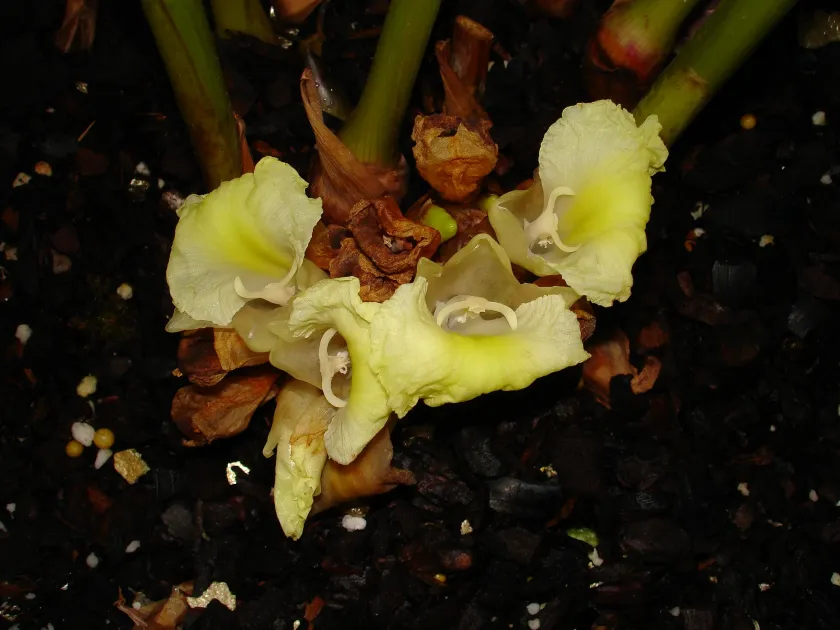
Description
Sowing dates
Aframomum kayserianum is primarily propagated through the division of rhizomes, as seed germination can be erratic and slow. The most favorable time for establishing a new plantation is at the onset of the rainy season, which provides the necessary moisture for rapid root establishment.
If seeds are used, they must be sown in specialized nursery trays with high-humidity conditions. The seeds exhibit dormancy and require precise temperature control and a sterile, well-draining substrate to overcome this phase and ensure successful germination.
Before planting, rhizome fragments must be treated with a fungicide to prevent rot, which is a common risk in the high-humidity environments where this plant thrives. A spacing of 50-60 cm between plants is recommended to ensure optimal airflow and space for vegetative expansion.
In its native habitat, the plant grows under the partial shade of the forest canopy. Therefore, cultivation in plantations should mimic these conditions by utilizing shade cloth or planting under existing tree cover to prevent heat stress and leaf scorching.
Ongoing monitoring of newly planted areas is essential to ensure a high survival rate. Irrigation should be applied gently to avoid washing away the soil or causing waterlogged conditions that could lead to the decay of the rhizome cuttings.
Growing requirements
This species demands a typical tropical climate, requiring an annual rainfall between 2000 and 3000 mm. It is particularly sensitive to prolonged dry spells; therefore, irrigation systems are necessary in regions with distinct seasonal fluctuations to maintain consistent growth.
Soils must be rich in organic matter, well-draining, and slightly acidic to neutral in pH. Compact or heavy clay soils should be avoided as they inhibit rhizome development and increase the susceptibility to root-rot diseases during heavy rains.
High relative humidity is a critical factor for the physiological health of the plant. Maintaining ambient humidity above 70% is necessary to prevent the leaves from drying out and to ensure the proper metabolic activity required for fruit production.
The optimal temperature range for this species is 22–28°C. The plant is extremely sensitive to cold, and exposure to temperatures near freezing can result in immediate loss of the aerial portions of the plant and potential damage to the underground rhizome system.
Fertilization should focus on the consistent application of organic amendments like leaf mold or compost. This approach helps maintain soil structure and provides a slow-release nutrient profile, which is safer for the sensitive root systems than high-concentration synthetic fertilizers.
Yield
Yields for Aframomum kayserianum are generally expected to begin in the third year after planting. The productivity is closely tied to the age and size of the rhizome mats, which need several seasons to reach full reproductive capacity.
Harvesting is a manual and highly selective process because fruit pods do not ripen simultaneously. Workers must carefully inspect the base of the plant, where the flowering stalks are often concealed by the lush foliage, to identify ready-to-harvest pods.
To maintain high productivity, plantation managers must implement a regular schedule for dividing and replanting overgrown patches. Old rhizome clusters tend to become less productive over time, so systematic rejuvenation is a necessary agronomic practice.
In commercial settings, balancing planting density is key to maximizing yields. While higher densities might seem beneficial, they often lead to increased competition for nutrients and light, which can ultimately lower the quality and quantity of the aromatic seeds.
The total yield is also affected by the maturity of the pods at the time of collection. Harvesting at the peak of maturity is essential to maximize the volatile oil content, which is the primary driver of the crop's market value.
Main diseases and pests
The primary threats to this crop include fungal infections of the rhizomes, often triggered by waterlogged soils and poor ventilation. Once a root rot infection starts, it can spread rapidly through the interconnected rhizome mat, making early intervention critical.
- Fusarium wilt of the aerial shoots.
- Phytophthora root rot.
- Infestation by soil-borne nematodes.
- Leaf-chewing caterpillars during wet seasons.
- Spider mites during periods of low humidity.
Pests like mealybugs often hide in the leaf axils, sucking sap and weakening the plant. Regular inspections and the use of natural insecticidal soaps or biological control agents are preferred methods for managing these populations without harming the spice quality.
Strict crop rotation is necessary to prevent the buildup of soil-borne pathogens. It is advised not to replant on the same plot for at least 5-6 years after the final harvest of an existing crop to ensure the soil has fully recovered.
The use of chemical pesticides should be strictly minimized to adhere to food safety standards for spice crops. Reliance on cultural practices, such as maintaining cleanliness and healthy soil, forms the backbone of a successful pest management strategy.
Harvesting
Harvesting Aframomum kayserianum requires precision and skill. The pods containing the seeds are carefully snipped from the stalks, ensuring that no damage occurs to the surrounding tissue or the underground rhizomes, which are essential for future growth.
Immediate post-harvest processing is required to prevent moisture-related quality loss. The pods are typically dried in ventilated sheds or specialized drying chambers, where temperature control is maintained to prevent the evaporation of essential oils.
Once dried, the seeds are separated from their hulls through mechanical threshing or manual methods. The seeds are then graded for size and quality, ensuring that the final product meets international spice standards before packaging.
Storage must be in airtight containers, as the volatile components are highly sensitive to oxidation. Keeping the dried seeds in a cool, dark environment ensures that the aromatic properties are preserved for extended periods.
A portion of the harvested rhizomes is often selected and prepared for replanting. This practice allows growers to maintain their own high-quality stock while simultaneously clearing the land for the next cycle of cultivation.