
Korarima
Aframomum corrorima
Description
Sowing dates
Korarima is typically propagated through rhizome division, which is the most reliable method for maintaining consistent plant quality. Seeds can also be used, but they require high freshness to ensure successful germination in tropical soil beds.
Sowing or planting occurs at the start of the rainy season to allow roots to establish themselves before the dry period begins. Soil preparation involves clearing weeds and incorporating organic matter to improve aeration.
As an understory plant, Korarima requires partial shade. It is often integrated into agroforestry systems, where it benefits from the canopy of larger trees, mimicking its natural habitat in the Ethiopian highlands.
Spacing is essential to prevent overcrowding, which can lead to poor air circulation and increased disease prevalence. Typically, plants are spaced about 50–70 cm apart in row configurations.
Young plantings require careful monitoring and consistent mulching to maintain soil moisture levels and suppress weeds during the critical early growth stages.
Growing requirements
Belonging to the Zingiberaceae family, Aframomum corrorima demands a warm and humid environment. It thrives best in regions with stable temperatures, ideally between 20°C and 28°C throughout the year.
The crop is highly sensitive to frost and direct, harsh sunlight, which can scorch the leaves. Proper shading is not just a preference but a fundamental requirement for healthy leaf development.
Soil requirements focus on rich, well-draining loams. While the plant loves humidity, it cannot tolerate waterlogged conditions, which lead to rhizome rot and sudden plant mortality.
High relative humidity is necessary for the plant to flower and set fruit effectively. In lower altitude regions, success is often limited unless specific microclimates are created to boost air moisture.
Regular maintenance of the soil structure and pH balance is recommended, as the plant is a perennial that stays in the same spot for several years, gradually depleting local nutrients.
Yield
Korarima plants begin producing harvestable capsules roughly three to four years after planting. The maturation of the plants is gradual, with yield peaking as the rhizome system expands.
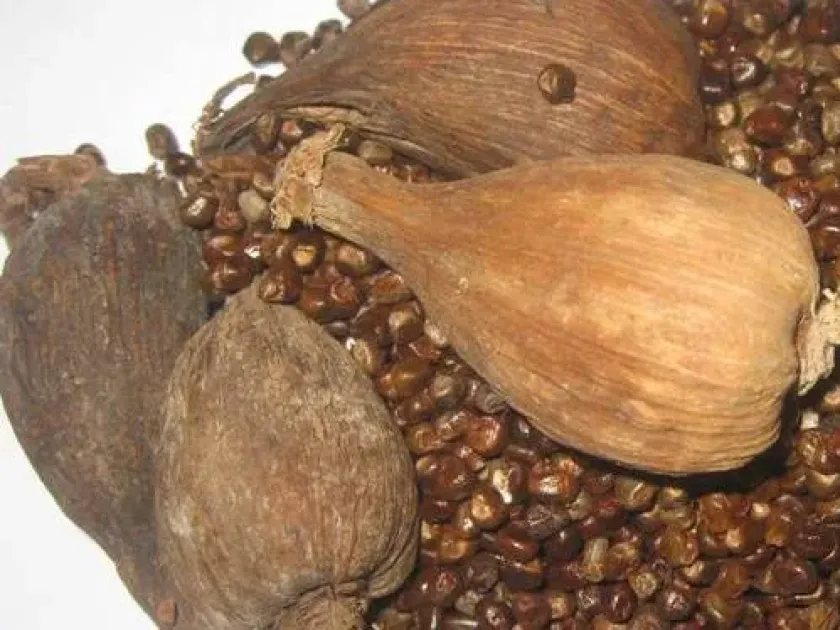
The yield consists of the dried capsules, which contain the prized, aromatic seeds. Successful yields are highly dependent on the presence of local pollinators, as poor pollination results in small or empty capsules.
In well-managed plantations, yields can be substantial, though they vary significantly based on climatic fluctuations and the specific clone of the plant being grown.
Sustainable harvesting techniques ensure that the rhizome remains intact, allowing the plant to continue producing for many years. Over-harvesting or damaging the root system during the process can drastically reduce future output.
Fertilization with compost or organic mulch is the primary method used to maintain high yield levels over the long term, avoiding the need for heavy chemical inputs.
Main diseases and pests
Fungal pathogens are the most significant threat to Aframomum corrorima, particularly in areas with poor drainage. Root rot and leaf spot can spread rapidly in stagnant, damp air conditions.
Pests like aphids and various caterpillar species can infest the foliage, leading to reduced photosynthesis and overall plant stress. Early detection and mechanical removal are often preferred over chemical intervention.
Bacterial wilt can occur in soil that has been previously used for other ginger-family crops without proper crop rotation. Maintaining soil health is crucial to preventing such persistent soil-borne infections.
Nematodes pose a hidden threat, attacking the rhizomes and causing stunting. Using healthy planting material and avoiding infested soil are the primary preventive strategies available to farmers.
Weed management serves a dual purpose: reducing competition for nutrients and eliminating secondary hosts for various pests that could jump to the Korarima crop.
Harvesting
Harvesting is a manual process conducted when the capsules transition from green to a dark brown or reddish color. This indicates that the seeds inside are fully mature and concentrated in aromatic oils.
Because the capsules on a single plant do not mature all at once, multiple picking sessions are required throughout the season. This careful approach ensures the highest quality of the final spice product.
Post-harvest processing involves drying the capsules in the sun or using indirect heat. Proper drying is essential to prevent mold growth and to lock in the volatile oils that define the spice's aroma.
Once dried, the seeds are threshed or separated from the husk. The resulting seeds are then graded based on size and color, which determines their market value and suitability for culinary or medicinal use.
Storage in cool, dry, and airtight conditions is critical to maintaining the potent flavor profile of Korarima for long-term supply and export purposes.