
Selaginella
Selaginella P. Beauv.
Description
Growing requirements
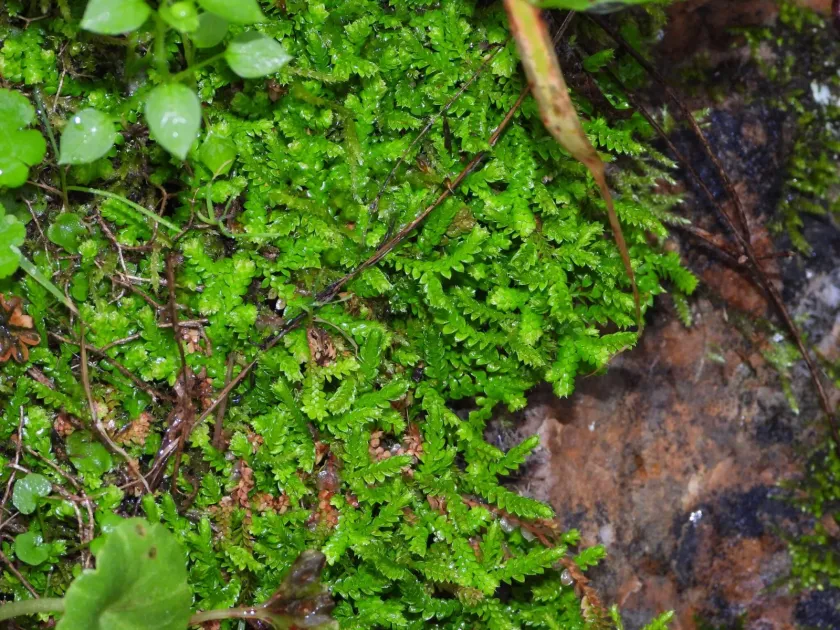
Selaginella (Selaginella P. Beauv.) is a genus of vascular spore-bearing plants belonging to the family Selaginellaceae. Often referred to as spike mosses, these plants have significant botanical interest due to their ancient lineage and their adaptation to dense, shaded environments in various climatic zones globally.
The origin of these plants is primarily in tropical regions, although they are distributed worldwide. In cultivation, Selaginella serves as a specialized decorative crop, favored for its intricate, fern-like foliage and the ability to thrive in environments where other ornamental species fail.
Cultivation requirements are strict regarding moisture; Selaginella demands a consistently high level of relative humidity. This makes them ideal candidates for terrariums, greenhouses, and humid indoor spaces where water availability can be precisely controlled and maintained throughout the year.
The soil substrate should be lightweight, well-draining, and rich in organic matter, such as peat-based mixtures. Proper soil aeration is crucial for the root system, which is relatively delicate and susceptible to damage if the substrate becomes compacted or waterlogged for extended periods.
Agronomic practices prioritize shaded locations as direct sunlight can easily burn the foliage. Temperature stability is also vital, with the optimal range being between 18 and 22 degrees Celsius, as the plants do not possess effective mechanisms to tolerate extreme cold or excessive heat.
Main diseases and pests
The primary threats include fungal pathogens such as root rot, which typically arise from inadequate drainage or excessive soil moisture. Maintaining a hygienic growing environment and ensuring proper air circulation are the most effective preventive measures against these common agricultural issues.
Pests are generally limited to spider mites, which thrive in environments where humidity levels have dropped below the required threshold. Regular monitoring and maintaining high atmospheric moisture are the standard recommended practices to mitigate these risks and preserve the aesthetic value of the plant.