
Toronia
Toronia toru
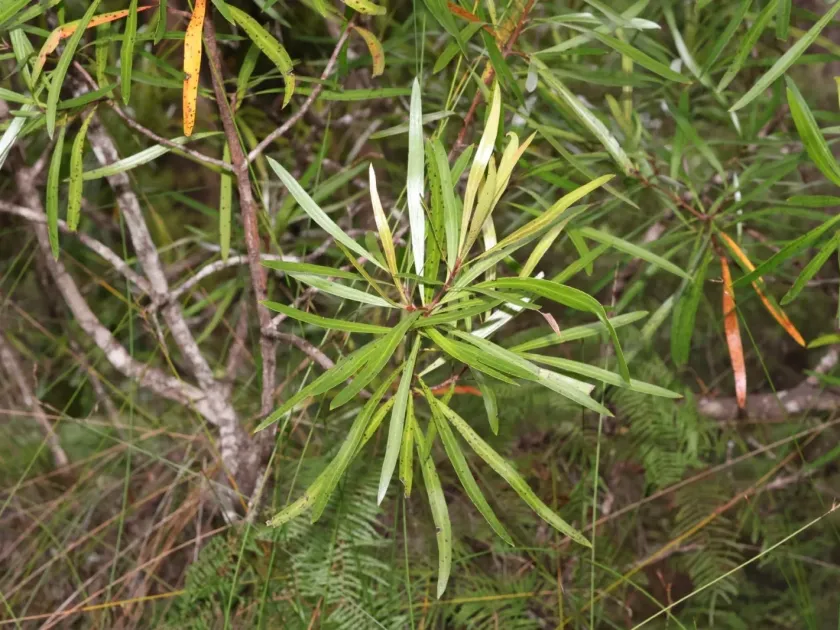
Description
Growing requirements
Toronia (Toronia toru) is a distinctive evergreen tree or shrub belonging to the Proteaceae family. It is endemic to the North Island of New Zealand, where it is often found in scrublands and forest margins.
The plant thrives in well-drained, acidic soil types. Its evolutionary adaptation to nutrient-poor volcanic or forest soils makes it relatively hardy, provided that the soil structure allows for proper root aeration and drainage.
Regarding climatic conditions, Toronia prefers mild, temperate environments with sufficient humidity. While it can withstand short periods of drought once established, it prefers a stable moisture supply during its peak growth season.
Botanically, it is recognized for its narrow, leathery leaves that display bronze or reddish hues, which are especially vibrant in sunlight. The flowers, while small and inconspicuous, provide essential nectar for native insect species.
In terms of human use, Toronia is primarily valued as an ornamental species in specialized gardens. Its wood is known for its durability and attractive grain, although it is not harvested on an agricultural or commercial scale for timber.
Main diseases and pests
Root rot, primarily caused by Phytophthora species, is the most significant threat to Toronia. This issue is almost always associated with poor soil drainage and waterlogged conditions that prevent root respiration.
Insect pests such as scale insects and aphids may occasionally colonize the foliage, particularly on young or stressed specimens. Proper cultural management and early detection are key to maintaining the plant's health.
Fungal leaf spot diseases can occur in areas with poor air circulation or consistently high humidity. Improving airflow around the crown of the tree can significantly reduce the risk of such infections spreading.
Mechanical damage from improper pruning can leave the plant vulnerable to bacterial or fungal entry points. All pruning should be performed with sterile tools, and cuts should be clean to allow for optimal wound healing.
Sensitivity to chemical inputs is a critical factor; specifically, excessive levels of phosphorus can be fatal to Proteaceae species. Fertilizers used must be formulated specifically for low-phosphorus demanding plants to avoid toxicity.