
Telopea hybrids
Telopea hybrids
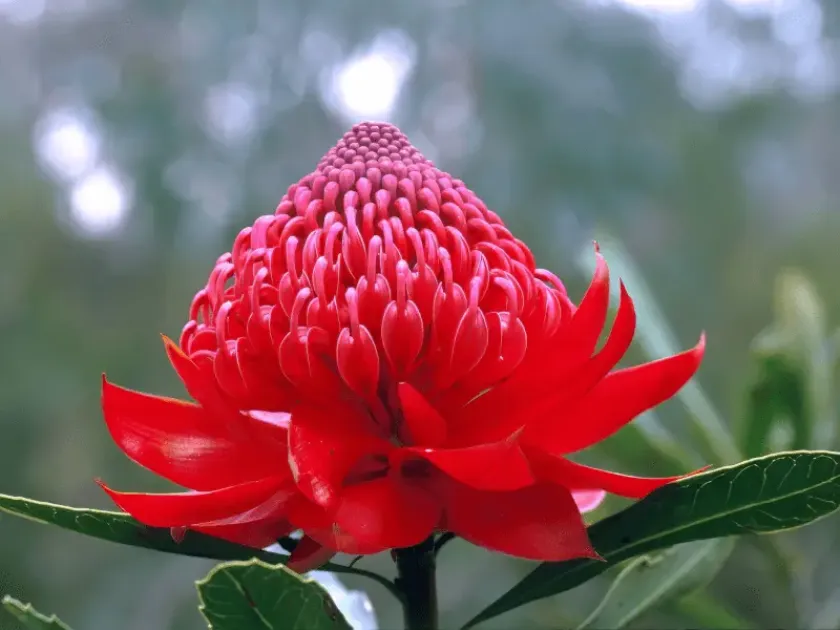
Description
Growing requirements
Telopea hybrids, members of the Proteaceae family, are highly prized ornamental shrubs derived from native Australian species. They are renowned for their striking, crimson inflorescences that serve as a flagship product for luxury floral markets.
The cultivation of these plants requires highly specific soil conditions, specifically acidic substrates with excellent drainage. They are particularly sensitive to high phosphorus levels, which necessitates careful nutrient management to prevent root damage.
Optimal growth is achieved in subtropical climates with moderate temperatures. In colder regions, these hybrids must be maintained in greenhouses or controlled glasshouse environments to protect them from frost and extreme weather fluctuations.
Light exposure should be bright but filtered to avoid foliage scorch. Providing proper air circulation within the canopy is essential to prevent physiological stress and maintain the health of the dense, leathery leaves.
Watering practices are crucial; the plants require consistent moisture but cannot tolerate waterlogged conditions. The use of acidified, low-lime water is recommended to maintain the required soil pH levels throughout the growing season.
Main diseases and pests
Root rot caused by Phytophthora species is the most severe threat to Telopea plantations. Prevention relies on strict sanitation, proper site selection, and the use of healthy, pathogen-free planting material.
Insect pests, including mealybugs and spider mites, are common in greenhouse environments. These require a proactive scouting program and the application of targeted biological or chemical control measures to prevent yield losses.
Harvesting
Harvesting should be timed when the individual florets within the flower head are partially open to ensure optimal vase life. Proper post-harvest hydration and cool storage conditions are vital to maintaining the high market value of the stems.