
Serruria phylicoides
Serruria phylicoides
Description
Growing requirements
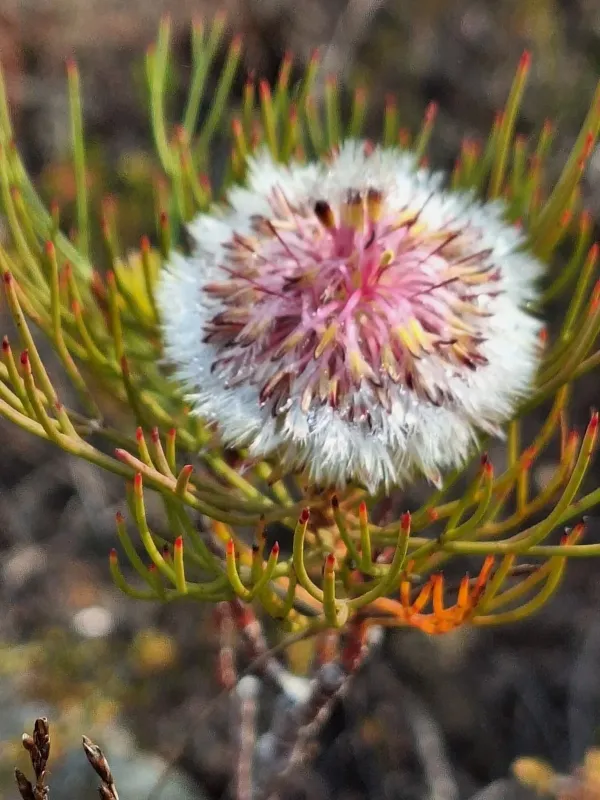
Serruria phylicoides is a distinct shrub species belonging to the Proteaceae family. Native to the fynbos biome of South Africa, it is highly valued for its ornamental inflorescences and delicate foliage.
The plant thrives in well-drained, sandy, and acidic soils. It is particularly sensitive to phosphorus; therefore, applying standard fertilizers is discouraged as it can be toxic to the plant's roots.
Climate requirements include plenty of sunlight and excellent air circulation. The plant is not frost-tolerant and generally requires greenhouse cultivation in temperate regions to maintain stable temperatures.
Botanically, it features feathery leaves and terminal flower heads. These floral characteristics make it a sought-after component in professional floristry for creating unique, textured arrangements.
Horticultural management relies on maintaining the substrate pH at an optimal acidic level. Consistent monitoring of soil moisture is essential to prevent root asphyxiation in a controlled environment.
Main diseases and pests
The primary agricultural threat to Serruria phylicoides is the presence of root rot pathogens, specifically species of Phytophthora.
These soil-borne organisms flourish in waterlogged conditions, which are often the result of improper irrigation or poor drainage systems in the growing facility.
Pest pressures include spider mites and mealybugs, which are common in indoor settings where humidity levels might fluctuate significantly.
Effective management requires strict sanitation protocols for pots, tools, and irrigation systems to prevent the spread of fungal and insect populations.
Regular visual inspections and the immediate removal of any stressed or dying plant matter are crucial to maintaining the health of the entire crop.
Harvesting
Serruria phylicoides is primarily cultivated for the cut flower industry, where it serves as a sophisticated filler or feature element in bouquets.
Harvesting should occur when the individual florets within the head are fully developed but before the onset of senescence or petal drop.
Using sharp, sterilized shears for harvesting ensures a clean cut, which helps in reducing the entry points for opportunistic fungal pathogens.
Post-harvest handling involves placing the stems in clean water immediately to maintain turgidity and ensure a longer vase life for the consumer.
Shipping and storage require precise temperature control to prevent wilting and to keep the inflorescences in their optimal aesthetic condition.