
Serruria
Serruria hybrids
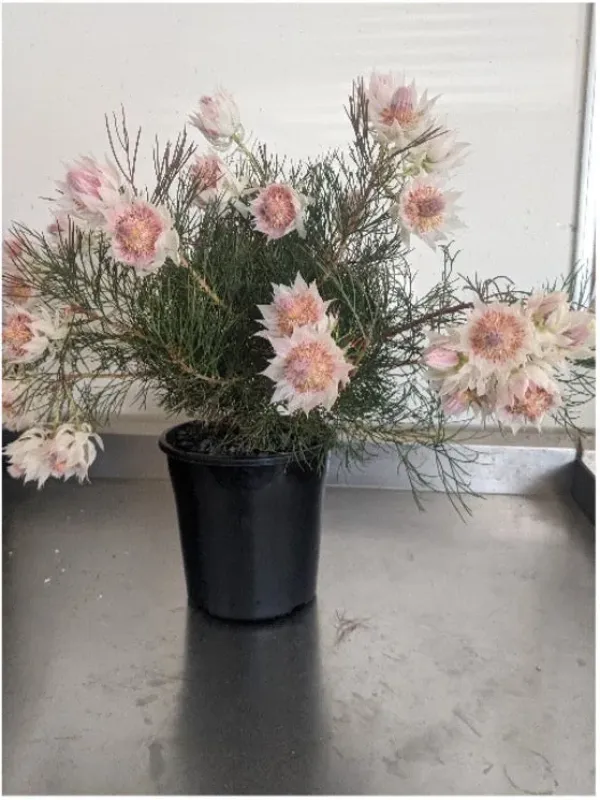
Description
Sowing dates
Serruria hybrids are propagated primarily through seeds or vegetative cuttings. Seeds often require a special pre-treatment, such as smoke-water or specific chemical stimulants, to overcome dormancy and simulate the natural fynbos environment.
For germination, use a sterile, well-draining, and low-nutrient medium. A sandy substrate with minimal phosphorus content is essential to ensure that seeds germinate successfully without the risk of nutrient toxicity.
Cuttings are highly preferred for commercial production to maintain the genetic consistency of the hybrids. Healthy, semi-hardwood shoots are selected during active growth, treated with rooting hormones, and placed in a misting environment.
Once seedlings reach a certain size, they are pricked out into individual containers. Careful handling of the root system is mandatory, as proteas are sensitive to root disturbance during transplanting.
Adequate spacing between plants is crucial for air circulation and light distribution. Proper nursery management ensures that plants grow uniformly, which is vital for scheduling the harvest later in the season.
Growing requirements
As a member of the Proteaceae family native to South Africa, Serruria thrives in specific environmental conditions. They require acidic, well-draining, and nutrient-poor soils, specifically avoiding fertilizers with high phosphorus levels.
Water quality is a critical factor for Serruria cultivation. They require soft, low-salt water, as high calcium or sodium concentrations in irrigation water can lead to chlorosis and plant decline.
The climate should replicate their natural habitat, featuring sunny days and cooler nights. Controlled environments, such as greenhouses, allow for the necessary temperature management to produce high-quality blooms.
Excellent drainage is non-negotiable. To prevent root rot, plants are often grown in raised beds or containers with specialized substrate mixes, sometimes topped with coarse sand or gravel to prevent crown moisture.
Maintaining moderate humidity is essential. High humidity levels without proper ventilation promote fungal growth, so greenhouses must be equipped with efficient airflow systems to regulate the microclimate.
Main diseases and pests
The most significant threats to Serruria are soil-borne pathogens such as Phytophthora species, which thrive in waterlogged, poorly drained soil conditions and can devastate entire crops.
Powdery mildew can become a concern in greenhouses with poor airflow or high moisture fluctuations. Regular monitoring and preventive measures are necessary to control its spread throughout the crop.
Thrips and spider mites are common pests that target young tissues and buds, causing significant cosmetic damage that renders flowers unsuitable for market sale.
Integrated Pest Management (IPM) is the most effective approach for controlling threats. Biological controls and the use of targeted, low-toxicity treatments are preferred due to the plant's sensitivity.
Sanitation is the cornerstone of disease prevention. Removing debris, disinfecting tools, and maintaining a strictly controlled environment drastically reduce the risk of outbreaks in the greenhouse.
Harvesting
Serruria hybrids are primarily grown for the cut flower industry, prized for their delicate, unique appearance and long vase life. Harvest timing is essential for maximizing quality and shelf life.
The stems are cut when the flower heads show active opening but before senescence begins. Using sterilized, sharp tools is vital to prevent physical damage and ensure a clean cut that heals quickly.
Immediately after cutting, stems should be placed in clean water supplemented with specific post-harvest preservatives. This process helps to hydrate the stems and inhibit the growth of bacteria in the vascular system.
Grading is based on stem strength, straightness, and the maturity of the flower head. Consistently high standards are necessary to meet the demands of international floral markets.
Proper post-harvest storage involves keeping the product in cool, well-ventilated rooms. Maintaining temperatures around 4–6 degrees Celsius helps preserve the quality of the foliage and blooms during transport.