
Serruria elongata
Serruria elongata
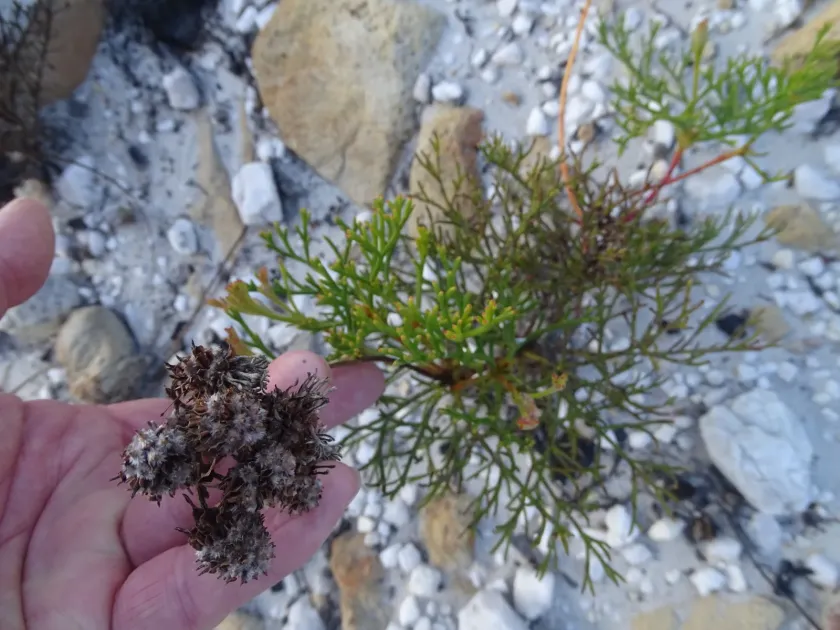
Description
Growing requirements
Serruria elongata is an evergreen shrub belonging to the Proteaceae family, native to the Western Cape region of South Africa. It is highly valued in international floriculture as a premium cut flower due to its unique, intricate inflorescences.
The plant requires a specific environment characterized by well-drained, acidic sandy soils. It is particularly sensitive to nutrient imbalances, especially phosphorus, which can be toxic to its specialized proteoid roots.
Climatic requirements involve mild, wet winters and warm, dry summers. In commercial production, Serruria elongata is typically cultivated in greenhouses where temperature and light exposure can be precisely managed to maximize flower yield and quality.
Soil pH must be maintained between 5.0 and 6.0. High levels of soil salinity or moisture stagnation can lead to rapid decline. Adequate spacing is essential to ensure proper air circulation and light penetration for the lower branches.
Pruning is a crucial agronomic practice for this species. To promote vigorous growth and uniform flowering, stems should be harvested or pruned back regularly, which stimulates the development of new lateral shoots for subsequent seasons.
Main diseases and pests
The most significant threat to Serruria elongata is root rot caused by Phytophthora species. This pathogen thrives in saturated soils and can lead to irreversible wilt and the death of the entire plant within a short period.
Pest pressures include mealybugs and spider mites. These pests thrive in protected greenhouse environments, colonizing stems and the undersides of leaves, and causing general plant weakness and cosmetic damage.
Aphid infestations are also common during the vegetative flush. Aphids not only suck sap from tender shoots but can also facilitate the transmission of viral diseases, which may cause mosaic-like symptoms and stunted growth.
Fungal diseases like powdery mildew can occur if air circulation is insufficient. Preventive measures include increasing ventilation and maintaining lower relative humidity levels during peak growth periods.
- Strict adherence to sanitation protocols in greenhouses.
- Routine soil testing to monitor nutrient levels and pH.
- Integrated Pest Management (IPM) to control mite populations.
- Regular inspection for early signs of root system distress.