
Panopsis rubescens
Panopsis rubescens
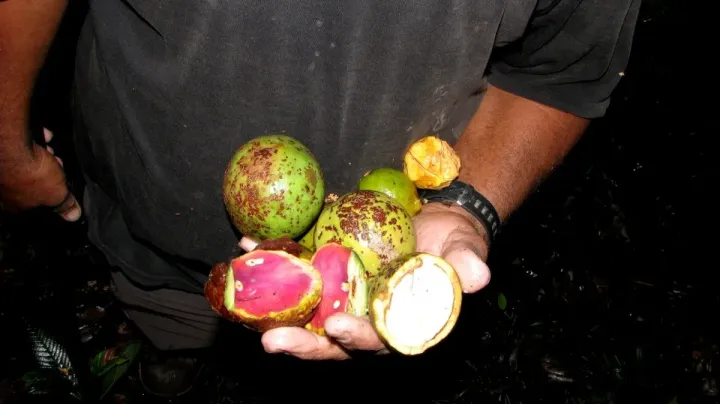
Description
Growing requirements
Panopsis rubescens is an evergreen tree species belonging to the Proteaceae family. Native to the tropical forests of South and Central America, this plant is well-adapted to the high-humidity environments of the neotropics.
The tree requires consistently warm tropical climates to thrive. It performs best when planted in fertile, well-draining soil that mimics the rich, organic, and slightly acidic conditions found on the forest floor.
Exposure to full sunlight is generally required for optimal canopy growth and fruit production. However, young trees may show better development if provided with slight shade protection during their establishment phase in a nursery or field.
Agricultural management of this species must be sensitive to its root structure. Like many members of the Proteaceae family, Panopsis rubescens possesses delicate proteoid roots that are highly sensitive to physical disruption and excessive nutrient fertilizers.
Maintaining stable moisture levels in the soil is crucial for the health of the tree. While it is adapted to high rainfall, soil aeration must be maintained to prevent anaerobic conditions that could lead to root system decay.
Yield
The economic value of Panopsis rubescens is primarily derived from its high-quality timber. The wood is dense, durable, and features an attractive aesthetic pattern, making it a preferred material for fine woodworking and furniture production.
The tree produces edible nuts that provide a nutritional source of fats and proteins. These are traditionally harvested by local communities and have potential for wider commercial utilization as an agroforestry product.
Yield metrics for this species are dependent on mature tree health and environmental stability. While natural populations show seasonal fluctuations, improved cultivation techniques on plantations offer the potential for higher, more consistent nut yields.
Selective breeding efforts are exploring ways to improve nut quality and tree vigor. By selecting superior genotypes, researchers aim to establish more productive and disease-resistant cultivars for future commercial use.
Integration into agroforestry systems allows this tree to contribute to soil stability and habitat restoration. By combining timber harvesting with sustainable nut production, farmers can create long-term economic and ecological benefits.
Main diseases and pests
Fungal pathogens remain the most significant threat to Panopsis rubescens, especially in areas with stagnant air and high humidity. These infections can damage the foliage and stem, leading to reduced vitality and poor timber quality.
Various insect pests, including wood-boring beetles, pose risks to the health of the trunk and branches. Effective pest management strategies prioritize early detection and the use of natural control methods to maintain an ecological balance.
Environmental degradation and illegal logging continue to threaten natural habitats where this tree grows. Conservation strategies are essential to prevent the loss of genetic diversity and maintain sustainable harvest levels in the wild.
Root rot is a major concern for seedlings and young saplings. Ensuring that planting sites are well-drained and free from contamination is necessary to ensure high survival rates during the critical early growth stages.
A consistent surveillance program is required in commercial operations to monitor tree health. Proactive management of the plantation environment helps mitigate the risk of disease spread and ensures the longevity of the timber and fruit harvests.