
Mimetes hirtus
Mimetes hirtus
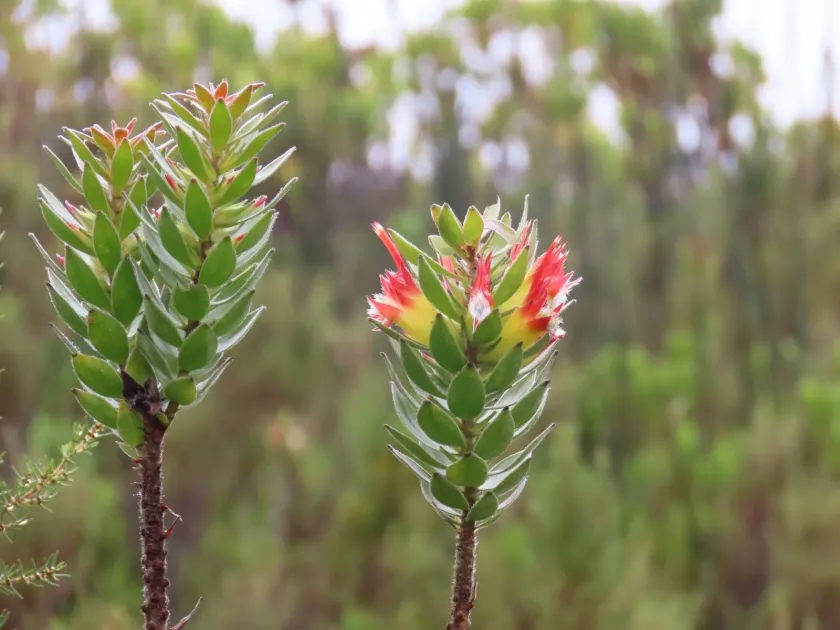
Description
Growing requirements
Mimetes hirtus, commonly known as the woolly pagoda, belongs to the Proteaceae family. This shrub is native to the southwestern Cape region of South Africa, where it thrives in damp, acidic, fynbos-dominated landscapes.
Botanically, the plant is characterized by its upright stems and dense, hairy leaves that provide a distinct silver-green appearance. The inflorescences emerge from the leaf axils, displaying vibrant colors that attract various local pollinators.
To successfully cultivate this species, producers must provide well-drained, nutrient-poor soil. The root system is highly sensitive to phosphorus; therefore, standard fertilizers should be strictly avoided in favor of specialized nutrient programs.
Climate requirements include a Mediterranean-like environment with cool, moist winters and temperate, airy summers. Adequate ventilation is crucial, as the plant is prone to stress if humidity remains stagnant for extended periods.
Commercially, Mimetes hirtus is prized in the cut-flower industry due to its long vase life and unique architectural appeal. It is increasingly grown in specialized nurseries catering to the high-end floral arrangement market.
Main diseases and pests
The primary threats to Mimetes hirtus are root-borne pathogens, particularly Phytophthora species. These fungi thrive in waterlogged soil, making precise irrigation management the most critical aspect of nursery operations.
Common pests include aphids and mites, which feed on the tender new growth of the shoots. Integrated pest management (IPM) strategies, including biological control agents, are preferred over synthetic chemicals to ensure plant health.
Chemical sensitivity is a significant constraint for agronomists working with Proteaceae. Many standard pesticides and herbicides cause phytotoxicity, leading to leaf burn or sudden wilting of the entire shrub.
Weed control is essential during the early stages of growth to prevent competition for light and nutrients. However, mechanical cultivation must be performed carefully to avoid disturbing the sensitive surface root system.
Chlorosis is often observed if the soil pH shifts toward alkaline levels. Growers must regularly monitor and adjust substrate acidity to ensure that micronutrients remain available for the plant's metabolic processes.