
Dryandra longifolia
Dryandra longifolia
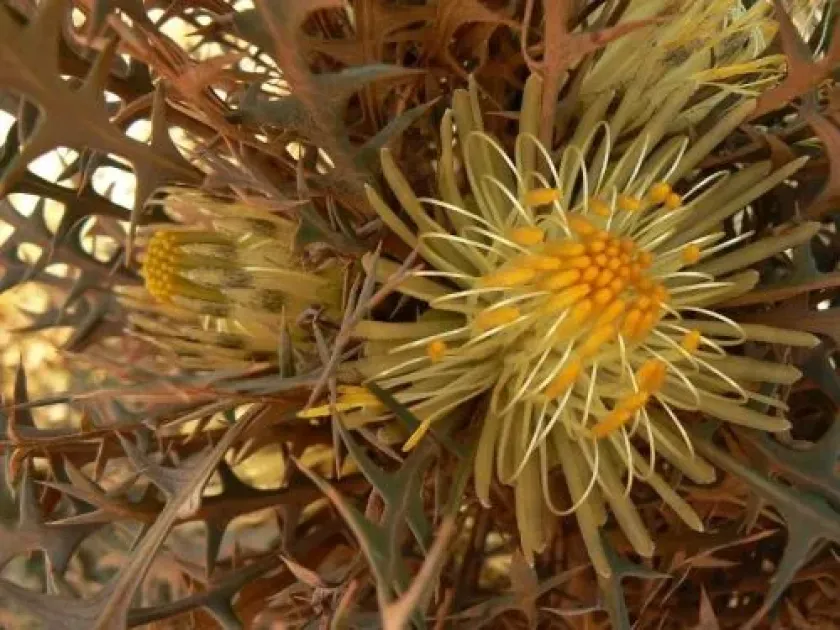
Description
Growing requirements
Dryandra longifolia is an evergreen shrub belonging to the Proteaceae family, native to the southwestern parts of Western Australia. This species is recognized for its distinctive long, slender leaves that feature serrated margins, contributing to its high aesthetic value in landscape architecture.
In its natural habitat, the plant thrives in well-drained, sandy or gravelly soils that are typically low in phosphorus. For successful cultivation, it is imperative to replicate these conditions by providing excellent soil aeration and preventing any water stagnation, which is critical for root health.
The plant demonstrates significant drought tolerance once established, making it a suitable candidate for xeriscaping in regions with Mediterranean-like climates. However, it requires a position with full sun exposure to maintain its compact growth habit and to stimulate the production of its unique, dense inflorescences.
Temperature management is a key factor, as the species is not frost-tolerant. When grown in containers, it should be protected during winter months in cooler climates, ensuring that the plant is kept in a bright, well-ventilated space to prevent fungal growth caused by stagnant air and humidity.
Economically, Dryandra longifolia is primarily utilized in the cut-flower industry. Its long-lasting blooms and unique textures make it a preferred material for high-end floristry, particularly in creating arrangements that require long shelf-life and exotic appeal.
Main diseases and pests
The most significant threat to Dryandra longifolia is infection by root-rotting fungi, specifically species of Phytophthora. This pathogen is notoriously difficult to eradicate and usually proves fatal, necessitating strict preventative measures such as the use of sterile growing media and careful water management.
Pest management should focus on monitoring for sap-sucking insects like mealybugs and scale insects. If left unchecked, these pests can severely weaken the plant and cause leaf drop, making regular inspections and timely intervention with appropriate systemic insecticides essential for plant vitality.