
Conospermum huegelii
Conospermum huegelii
Description
Growing requirements
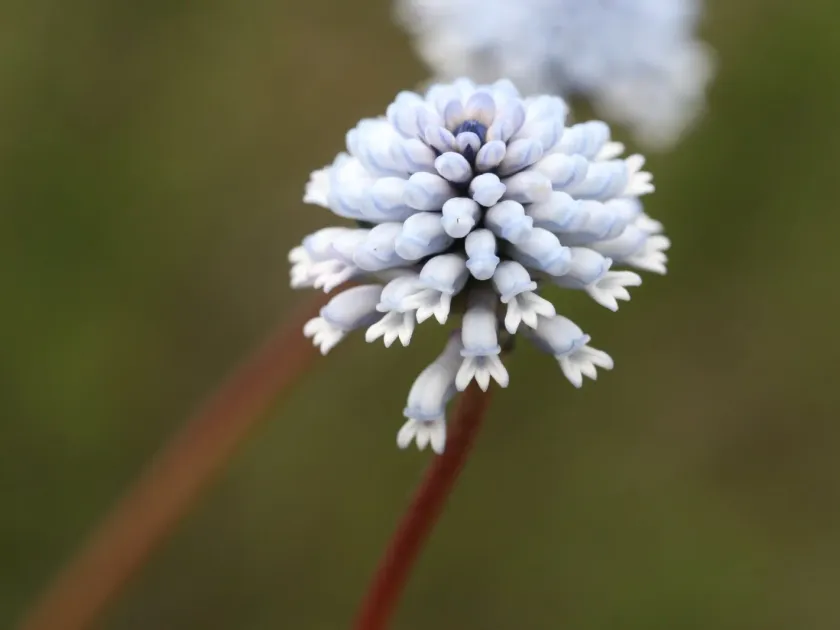
Conospermum huegelii, commonly known as a type of smoke bush, is a perennial evergreen shrub belonging to the Proteaceae family. It is endemic to the southwestern regions of Australia, where it thrives in specific Mediterranean-style environmental conditions.
This species has specific soil requirements that must be met for successful cultivation. It demands well-draining sandy or loamy soils with very low phosphorus levels, as plants within the Proteaceae family are notoriously sensitive to traditional high-phosphorus fertilizers.
The plant prefers sunny, open environments with ample light exposure. It exhibits significant drought tolerance, having evolved to survive in the arid and semi-arid regions of its native range while maintaining its structure throughout the year.
A fundamental aspect of its maintenance is ensuring excellent root zone aeration. Poor drainage can lead to root suffocation and subsequent decay, making the inclusion of coarse inorganic matter in the planting substrate a necessary technical requirement.
While primarily valued for its ornamental appeal, Conospermum huegelii serves as a biological model for understanding the adaptation of sclerophyllous vegetation. Its unique inflorescences make it a sought-after species for specialty nurseries focusing on rare native shrubs.
Main diseases and pests
The primary threats to Conospermum huegelii involve fungal pathogens, particularly in environments with high ambient humidity or poor air circulation. Phytophthora root rot is the most significant disease risk, often leading to sudden collapse.
Root system health is frequently compromised by waterlogging, which provides an ideal environment for soil-borne pathogens. Establishing a preventative monitoring schedule for drainage efficiency is essential for the longevity of the plants.
Common horticultural pests, including aphids and spider mites, can affect the vegetative growth phase. These insects typically target new, soft foliage and require vigilant scouting to prevent infestations from compromising the plant's health.
Nematodes are another potential biological threat, particularly in soils where beneficial microbial communities have been disrupted. Using pasteurized or virgin soil mixes is a standard practice to mitigate this risk in containerized production.
Due to the plant's sensitivity to synthetic chemicals, integrated pest management (IPM) strategies are strongly recommended. Over-application of pesticides can lead to phytotoxicity, emphasizing the need for gentle, targeted interventions.