
Beaupreopsis paniculata
Beaupreopsis paniculata
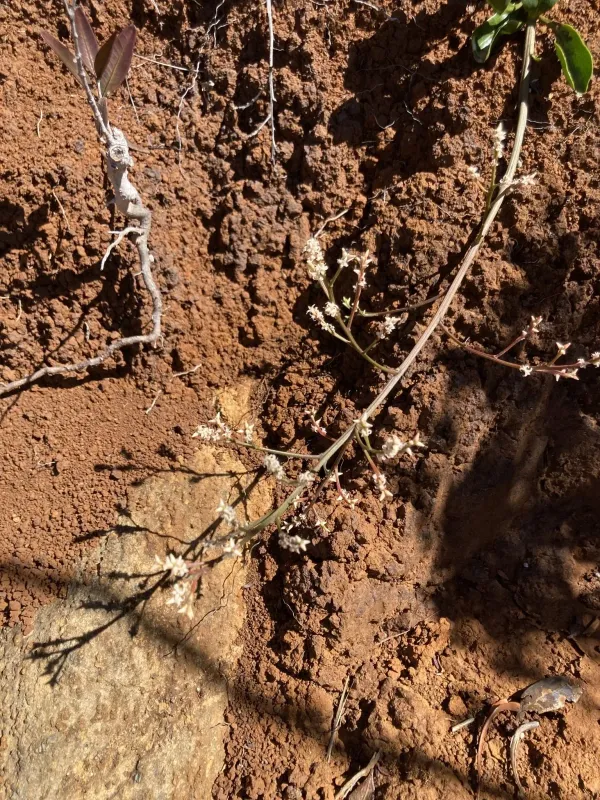
Description
Growing requirements
Beaupreopsis paniculata is a distinctive botanical species belonging to the Proteaceae family. Originating from specific regions of Western Australia, this plant is known for its shrubby growth habit and unique inflorescence structures.
The species thrives in environments characterized by Mediterranean-like climates. It requires well-drained, acidic, and nutrient-poor soils to mimic its natural sandy habitat, which is essential for maintaining root health.
Sunlight exposure is a primary requirement for the healthy development of this plant. It should be situated in a location that provides full solar radiation, as shade can negatively impact the density of its foliage.
Water management is the most critical aspect of the cultivation technique for this species. Even brief periods of waterlogging can be fatal to the root system, making precise drainage a non-negotiable factor.
Regarding cultivation logistics, Beaupreopsis paniculata is primarily used in specialized botanical gardens and conservation nurseries due to its specific ecological requirements and ornamental value.
Main diseases and pests
The most significant threat to Beaupreopsis paniculata is root rot, typically caused by Phytophthora species, which flourish in damp or poorly aerated soil conditions.
Pest issues often include infestations of scale insects or mealybugs, which can weaken the plant by feeding on the sap of tender stems and leaves during the active growth phase.
Chemical sensitivity is a hallmark of this plant; it is highly intolerant of high-phosphorus fertilizers, which can cause toxicity and drastically inhibit growth patterns.
Soil alkalinity is another major threat to the survival of the plant. A high pH level prevents the absorption of necessary micronutrients, manifesting as visible chlorosis on the leaves.
Physical disturbance of the soil around the root zone is strictly discouraged, as the fine, sensitive roots are easily damaged, providing entry points for pathogens and causing systemic stress.