
Alloxylon pinnatum
Alloxylon pinnatum
Description
Sowing dates
The propagation of Alloxylon pinnatum is primarily achieved through seed germination. Seeds should be sown as fresh as possible, as they tend to lose viability quickly. A light, well-draining substrate composed of sand and peat is ideal for optimal germination rates.
In a controlled nursery environment, maintaining a temperature range of 20–25 degrees Celsius significantly boosts the success of seedling emergence. The seeds are typically covered lightly with soil and kept moist, but not saturated, to prevent damping-off diseases.
Germination usually occurs within a few weeks, depending on the freshness of the seeds. Once the seedlings develop several sets of true leaves, they should be carefully transplanted into larger containers to allow for root development without damaging the sensitive taproot system.
Gradual acclimatization is necessary before planting them in their permanent location. Seedlings require protection from direct, harsh sunlight and strong wind during their first season to ensure survival and consistent growth patterns.
Consistent irrigation and avoiding high-phosphorus fertilizers are crucial during the early stages of the seedling's life to prevent root burn and support healthy, steady structural development.
Growing requirements
Belonging to the Proteaceae family, Alloxylon pinnatum originates from the rainforests of Australia. This species thrives in regions characterized by humid, mild climates, avoiding areas prone to severe frosts or extreme temperature fluctuations.
The plant requires deep, well-draining soils. While it can adapt to various soil types, ensuring that the roots are never subjected to waterlogging is the most critical factor for successful cultivation and long-term health.
Alloxylon pinnatum enjoys full sun to partial shade. In intense heat, partial shade helps prevent leaf scorch and promotes better foliage health. Protecting the tree from strong, drying winds is also important for maintaining the integrity of its branches.
Nutritional needs are specific due to the nature of the Proteaceae family. They are extremely sensitive to phosphorus, so specialized, low-phosphorus fertilizers are required to prevent toxicity. Organic mulch is recommended to maintain soil moisture and beneficial biology.
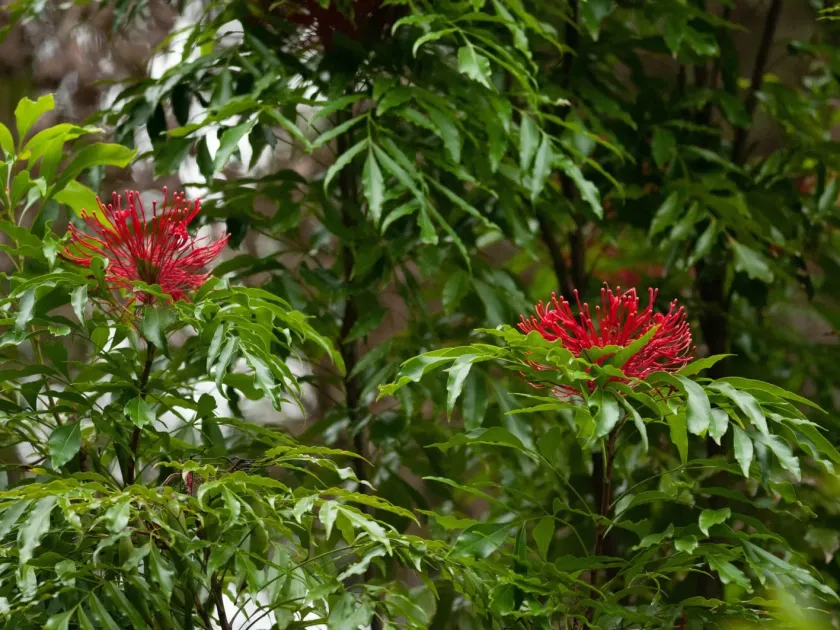
Known for its striking red flowers that attract nectar-feeding birds, this tree serves as a significant ornamental piece. It requires ample space for its crown to spread effectively as the tree reaches maturity.
Main diseases and pests
Root rot, often caused by poor drainage and excessive soil moisture, is the primary threat to Alloxylon pinnatum. This condition is particularly devastating for young trees and can quickly spread if the site conditions are not ideal.
Pests like mealybugs and scale insects may infest the foliage. Regular monitoring and the application of mild, organic horticultural oils are effective methods to manage these populations without damaging the plant's delicate tissues.
Extreme weather events, such as heavy frosts, can cause dieback in young or exposed trees. Selecting a sheltered location is a vital preventative measure in cooler growing zones where the species might struggle during winter months.
Fungal issues, such as leaf spot, can develop in stagnant air conditions. Pruning for better airflow and removing fallen debris around the base of the tree are essential maintenance practices to reduce the pathogen load in the area.
Maintaining a healthy, balanced environment with good airflow and correct water management remains the most effective defense against the majority of common threats to this species.