
Dwarf snowbell
Soldanella pusilla
Description
Growing requirements
The dwarf snowbell (Soldanella pusilla) is a charming perennial herb belonging to the Primulaceae family. Native to the mountain ranges of Central and Southern Europe, it is well-known for its ability to bloom through melting snow.
In cultivation, it requires specific conditions that mimic its natural alpine habitat. This includes a cool, semi-shaded location and protection from intense summer heat, which can be fatal to the delicate root system of the plant.
The soil must be well-draining, acidic, and rich in organic matter. A mixture of leaf mold, peat, and coarse grit is ideal to ensure moisture levels remain steady without causing waterlogging, which the plant cannot tolerate.
Regarding irrigation, Soldanella pusilla requires consistently moist soil. It is vital to use soft or rainwater for irrigation, as tap water containing high mineral content, especially calcium, can significantly alter the soil pH and harm the plant.
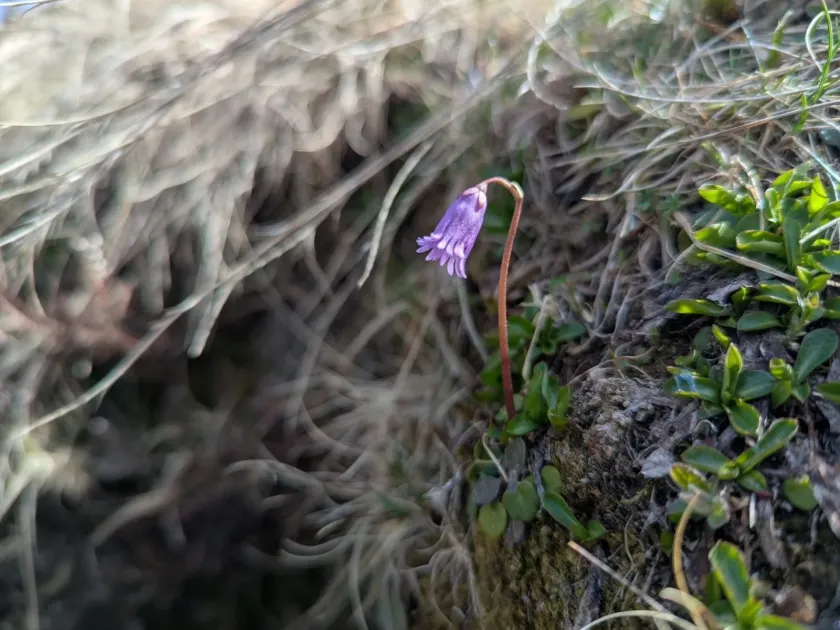
The species is best suited for rock gardens, trough gardens, or cool alpine beds. It grows in a basal rosette of rounded leaves and produces small, bell-shaped violet or purple flowers on short, sturdy stems.
Main diseases and pests
Root rot is the most common threat to the dwarf snowbell, primarily occurring in poorly drained soil or during prolonged wet periods with stagnant air. Maintaining good ventilation around the plant is essential for disease prevention.
Slugs and snails are the primary pests that damage the foliage. Since the plant is small and low-growing, these mollusks can easily consume the entire rosette, necessitating the use of barriers or slug pellets.
During hot summer months, spider mites can become an issue if the ambient humidity drops too low. Keeping the area around the plants humid helps to mitigate the risk of mite infestations and promotes healthy leaf growth.
Fungal leaf spot diseases can occur if the foliage remains wet for extended periods in warm, enclosed conditions. Pruning away damaged or decaying leaves helps reduce the risk of secondary infections spreading.
While the plant is hardy in terms of cold resistance, its vulnerability lies in its fragile root system. Avoid disturbing the soil near the roots during weeding, as this can cause stress and make the plant more susceptible to opportunistic pathogens.