
Julia primrose
Primula juliae Kusn.
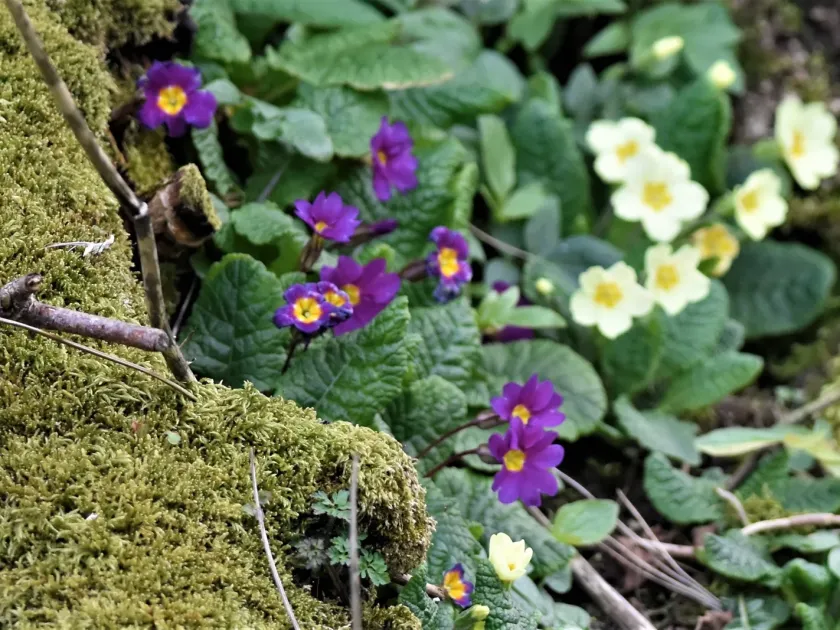
Description
Sowing dates
Propagation of Julia primrose is primarily achieved through division of mature clumps during the spring or autumn months. This vegetative method ensures the preservation of the plant's desirable traits and allows for rapid establishment in new areas of the garden.
Seed propagation requires a cold stratification period of approximately 30 to 40 days to break dormancy and ensure high germination rates. Seeds are typically sown in greenhouse environments during late winter to provide a controlled start for the young seedlings.
Seedlings should be pricked out once they develop true leaves and grow in individual containers until they are robust enough to be transplanted outdoors. Consistent moisture and protection from harsh environmental conditions are vital during this early growth stage.
When transplanting into the garden, spacing should be approximately 15 to 20 centimeters apart to allow the creeping rhizomes sufficient room to expand. This spacing supports the formation of a dense, decorative carpet of foliage and flowers.
Preparing the soil with organic matter such as compost or leaf mold before planting significantly improves the success rate of new divisions. Providing adequate initial watering after planting is crucial to prevent stress and ensure deep rooting.
Growing requirements
Julia primrose, or Primula juliae, is a low-growing perennial species belonging to the Primulaceae family. Native to the Caucasus Mountains, it is a favored ornamental plant for cool, shaded areas in temperate gardens.
This species thrives in rich, moist, and well-drained soils that mimic its natural woodland habitat. It is sensitive to drought, making consistent soil moisture management a key priority, especially during the peak of the spring and early summer seasons.
As a shade-loving plant, Julia primrose performs best in locations with partial shade, such as under the canopy of deciduous trees. Excessive direct sunlight can scorch the delicate foliage and inhibit the plant's ability to produce prolific spring blooms.
The plant demonstrates excellent winter hardiness, allowing it to survive sub-zero temperatures without significant damage. Mulching the area with organic matter in the autumn provides thermal insulation and helps maintain stable soil moisture levels throughout the dormant season.
Standard care involves periodic maintenance, including the removal of weeds and applying balanced fertilizers during the early growth phase. Proper nutrient management promotes vigorous foliage growth and ensures a spectacular display of flowers in the following spring.
Main diseases and pests
Fungal pathogens such as gray mold and leaf spots represent the primary threat to Julia primrose, particularly in humid climates. These diseases are more prevalent in dense, poorly ventilated plantings where excess moisture persists on the foliage.
Root rot is a common issue often caused by waterlogged soils or excessive irrigation. Ensuring a well-draining soil profile is the most effective preventative measure against these soil-borne pathogens that can devastate an entire cluster.
Slugs and snails can cause significant aesthetic damage by consuming the leaves, especially in wet, cool springs. Implementing physical barriers or eco-friendly baiting strategies is recommended to protect the plants during their most vulnerable periods.
Pests like aphids and spider mites may occasionally infest the plants, particularly during dry spells. Regular inspection and the use of insecticidal soap or specialized treatments can effectively control these populations before they impact plant health.
Overall, maintaining plant hygiene by removing debris and ensuring proper air circulation is the best defense. A healthy, stress-free plant is inherently more resistant to diseases and environmental challenges.
Harvesting
As an ornamental horticultural crop, Julia primrose is not harvested for commercial production in the traditional sense. Its value lies in its aesthetic contribution to garden landscapes, borders, and rock gardens throughout the spring season.
Post-flowering maintenance involves the careful removal of spent flower stalks. This practice prevents the plant from expending energy on seed production, instead directing those resources toward strengthening the rhizomes and foliage for future seasons.
Before the onset of winter, cleaning up dead foliage and plant debris helps maintain a tidy garden and minimizes the risk of pests overwintering in the mulch. This simple sanitation task is essential for long-term health.
For those looking to propagate, autumn is the ideal time to lift and divide established clumps. This process effectively rejuvenates old, thinning patches and provides healthy material for expanding the garden's primrose population.
In the context of container gardening, the plant's cycle concludes after the initial flush of growth and bloom. Afterward, the containers should be moved to a cool, shaded environment to allow for a proper period of summer rest before returning to growth.