
Polyanthus primrose
Primula x polyantha Mill.
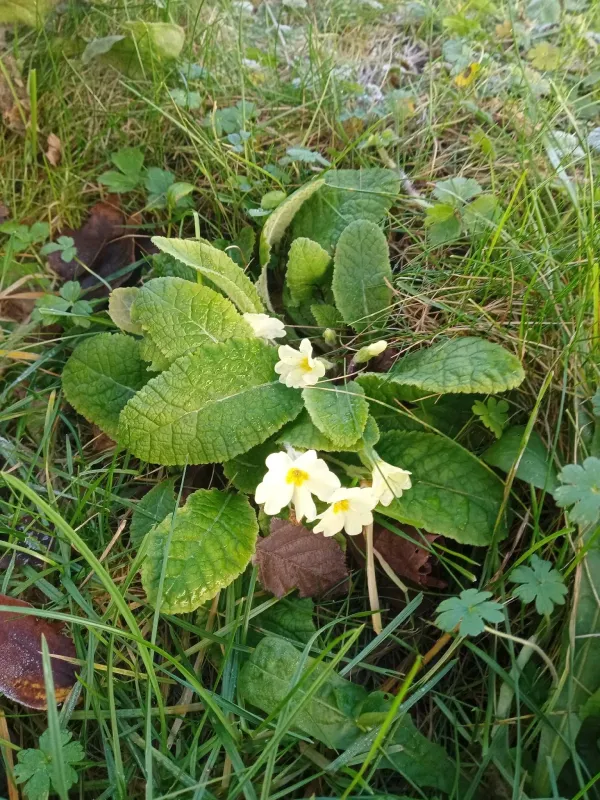
Description
Sowing dates
Primula x polyantha, commonly known as polyanthus primrose, belongs to the Primulaceae family. It is a highly valued garden hybrid known for its vibrant flower clusters. The commercial cultivation begins with sowing seeds during the winter months, specifically between December and February, to ensure robust plants for spring sales.
The seeds are minute and require exposure to light for optimal germination. Sowing is performed on the surface of a sterile, light-textured substrate. Covering the containers with clear plastic or glass is essential to maintain the high humidity levels necessary for successful development during the initial stages.
Stratification is a crucial part of the process, involving a period of cold treatment to break dormancy. Once germination occurs, the seedlings are pricked out into individual pots or cell trays. This step encourages strong root development and prevents competition among the young plants.
Maintaining a steady temperature around 15–18 degrees Celsius after germination is vital for healthy growth. Overcrowding should be strictly avoided to ensure proper air circulation and to minimize the risk of dampening-off disease, which frequently affects young primrose seedlings.
Transplanting into the garden is best done in late spring after the final frost risk has passed. Alternatively, planting can be scheduled for early autumn, allowing the plants to establish their root systems before the onset of winter temperatures.
Growing requirements
Polyanthus primroses thrive in partially shaded locations, away from the intense midday sun. While they can tolerate some morning light, prolonged exposure to heat can cause foliage scorching and premature fading of the flower colors.
The soil should be rich in humus, well-draining, and have a consistent moisture level. While the plants prefer a moist environment, waterlogged soil must be avoided at all costs to prevent root decay. Incorporating compost or peat moss can help improve soil texture and moisture retention.
Consistent watering is required throughout the growing season, particularly during the blooming period. It is recommended to water at the base of the plant to keep the foliage dry, which significantly reduces the likelihood of fungal infections forming on the leaves.
Regular fertilization with a balanced liquid fertilizer is beneficial for sustained flowering. During the active growth phase, feeding the plants every two weeks with a diluted formula ensures they have the nutrients needed for continuous bud development and deep, saturated petal color.
Mulching the soil around the base of the plants helps regulate root temperature and moisture. Using organic mulch, such as wood chips or shredded leaves, not only adds nutrients back into the soil as it decomposes but also helps suppress weeds that compete for nutrients.
Main diseases and pests
Pests such as spider mites and aphids are the most common adversaries, especially in greenhouses or areas with low humidity. Monitoring the undersides of leaves is critical for early detection, as these pests can cause yellowing and stunted growth if left unmanaged.
Grey mold (Botrytis) is a frequent problem, particularly in humid and poorly ventilated conditions. Effective management involves removing dead plant tissue immediately and ensuring adequate spacing between individual plants to promote good airflow.
Root rot, often caused by overwatering, remains a persistent threat. Providing well-drained soil and ensuring that containers have adequate drainage holes are the best preventative measures. Chemical fungicides should only be used as a last resort when cultural practices are insufficient.
- Slugs and snails can cause significant damage, especially in early spring when young shoots emerge.
- Leaf spot infections may appear as dark lesions, necessitating improved sanitation and fungicide application.
- Virus infections can result in mottled leaves and poor plant development, requiring the removal of affected plants.
To keep the garden healthy, gardeners should practice good sanitation by clearing debris from the flower beds regularly. Promptly addressing any signs of stress or infestation will ensure the longevity and health of the Primula x polyantha plants throughout the season.