
Kew Primrose
Primula x kewensis W. Watson
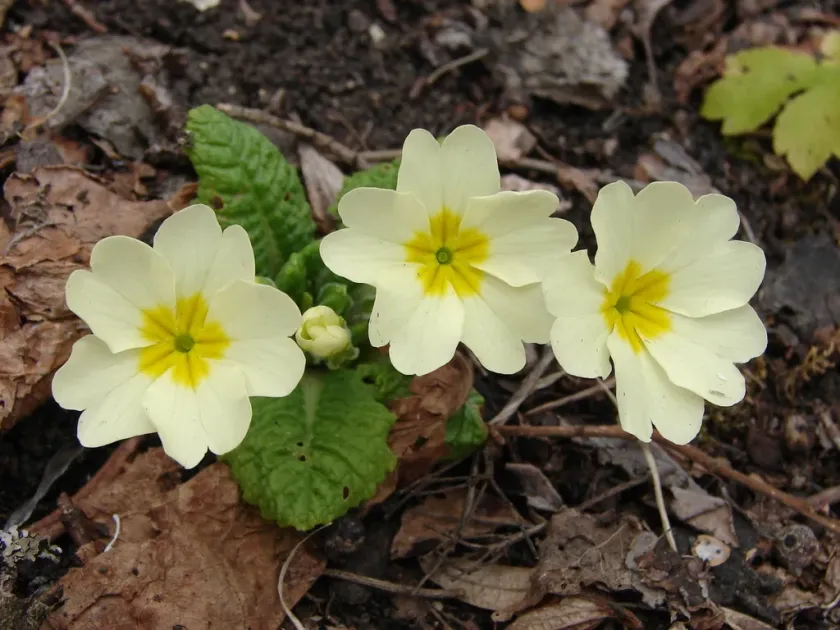
Description
Sowing dates
Kew Primrose (Primula x kewensis) is a sterile interspecific hybrid, making vegetative propagation through division or cuttings the only viable method.
Seed propagation is biologically impossible because the plant is a sterile cross between Primula floribunda and Primula verticillata.
Cuttings should be taken in the spring, typically after the flowering period, using the plantlets produced at the base of the crown.
Division of the mature plant is recommended every few years to rejuvenate the specimen and encourage more vigorous growth in the upcoming season.
Once separated, the offshoots are planted in a well-draining, lightweight substrate and kept in high humidity until established.
Growing requirements
This member of the Primulaceae family thrives in cool environments, making it an excellent candidate for conservatories and cool greenhouses.
The ideal temperature range is between 12°C and 16°C, as high heat quickly depletes the plant and forces an early end to its blooming cycle.
The species requires bright, indirect light; direct sunlight should be avoided as it can scorch the foliage and damage the delicate blooms.
The soil must be fertile, airy, and slightly acidic, with a reliable drainage system to prevent waterlogging which quickly rots the roots.
Regular, consistent moisture is vital during the growing phase, though the soil should never be saturated to the point of becoming waterlogged.
Main diseases and pests
The most common pest affecting Kew Primrose is the spider mite, which flourishes in the dry air often found in indoor settings.
Aphids can also pose a significant threat, gathering on flower stalks and young leaves, potentially transmitting secondary viral infections.
Root rot and stem base decay are frequent issues triggered by overwatering or poor ventilation within the greenhouse environment.
Powdery mildew can develop on leaves if the humidity remains too high and air circulation is insufficient around the plant canopy.
To ensure healthy growth, routine pest monitoring and removal of wilted flowers or yellowing foliage are necessary practices for any grower.