
Cowslip
Primula veris L.
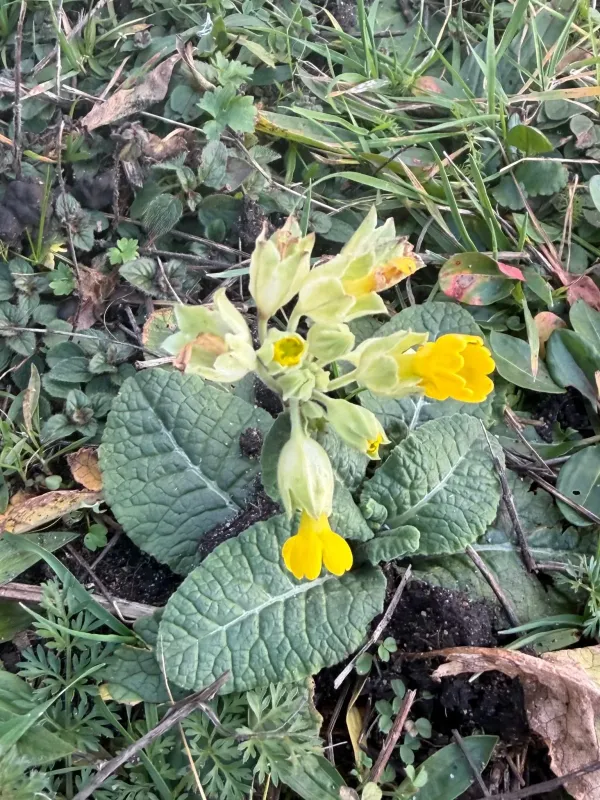
Description
Sowing dates
Cowslip (Primula veris L.), a member of the Primulaceae family, typically requires cold stratification for successful seed germination. If planting in late autumn, natural winter conditions will facilitate this process effectively.
For spring sowing, seeds must be artificially stratified at temperatures between +2°C and +5°C for about 6 weeks. Following stratification, seeds are sown in a light, moist substrate and should be left exposed to light, as darkness can inhibit germination.
In large-scale production, starting seeds in greenhouses or cold frames is the preferred method to ensure uniform establishment. Seedlings are then transplanted to the field once they develop strong root systems.
The optimal planting density is approximately 30–40 cm between rows, allowing for efficient weeding and air circulation. Proper spacing prevents overcrowding, which is a major factor in seedling health.
When sowing, ensure that seeds are only lightly covered with soil. Because they are tiny, burying them too deeply can prevent the emergence of sprouts, significantly reducing the success rate of the planting.
Growing requirements
Cowslip thrives in well-drained, nutrient-rich soils with a neutral or slightly acidic pH. The species prefers locations that offer semi-shade, as direct, intense sunlight can stress the plants during the peak of summer.
Consistent moisture is vital, especially during the growth phases of early spring. However, the soil must not become waterlogged, as poor drainage is the primary cause of root rot in Primula species.
As a plant native to meadows and light woodland, it performs best in habitats that mimic these conditions. Providing organic amendments like well-rotted compost during soil preparation significantly boosts vitality.
The plants are quite hardy and tolerate a range of temperatures, but they require protection from severe drying winds. Mulching the base of the plants can help retain soil moisture and stabilize temperature fluctuations.
Routine weeding is necessary, particularly during the first year. Since the plants grow relatively low to the ground, they are easily suppressed by faster-growing grasses and weeds that can outcompete them for resources.
Yield
Harvesting for commercial purposes involves both the aerial parts (flowers and leaves) and the roots. Dry herb yield typically ranges between 0.8 and 1.2 metric tons per hectare, depending on soil quality.
The active medicinal compounds, such as saponins, are most concentrated during the flowering season. Therefore, timing the harvest to coincide with full bloom is crucial for maximizing the medicinal efficacy of the crop.
Roots should be harvested during the plant's dormant period, typically in the late autumn. This ensures the highest accumulation of metabolites, which are highly valued in the pharmaceutical industry for their expectorant properties.
Productivity can be enhanced with supplemental irrigation in arid years. However, careful monitoring is needed to prevent over-saturation, as the balance between moisture and drainage is delicate.
A well-managed cowslip plot can remain productive for up to five years. After this period, vitality generally declines, and the plot should be rotated with other crops to prevent soil fatigue.
Main diseases and pests
Leaf spot diseases caused by Ramularia or Phyllosticta fungi are common in dense plantings with poor airflow. Improving ventilation and maintaining proper spacing are essential preventative measures.
Powdery mildew may occur during hot, humid summer weather. To mitigate this risk, avoid overhead watering and ensure the foliage dries out before nightfall, as damp conditions promote fungal growth.
Slugs and snails can cause significant damage to the leaves in spring. Using physical barriers or environmentally friendly molluscicides is effective in keeping pest populations under control.
Root rot is the most serious threat, usually resulting from heavy soils or stagnant water. Implementing good drainage strategies is the only effective way to prevent this widespread issue in cowslip cultivation.
Aphids can occasionally infest young shoots. Biological control methods, such as encouraging beneficial predatory insects, are often preferred to maintain the crop's status for medicinal use.
Harvesting
Flowers and leaves are collected by hand using sharp tools. It is essential to ensure that the central crown of the plant is not damaged, as this is where the new growth for the next season originates.
After collection, the plant material must be processed immediately. Drying should take place in a well-ventilated, shaded area at temperatures below 45°C to preserve the volatile components.
Roots are excavated, thoroughly washed to remove soil, and sliced before drying. Proper cleaning is necessary to ensure the final product meets regulatory standards for medicinal plant purity.
Correctly dried material should maintain its vibrant color and a pleasant, slight anise-like aroma. If the drying process is too slow or humid, the material may darken and lose its pharmacological properties.
Storage requires cool, dry conditions away from direct sunlight. Using airtight, breathable containers helps protect the dried herbs from humidity and potential pests over long-term storage.