
Himalayan primrose
Primula rosea Royle
Description
Sowing dates
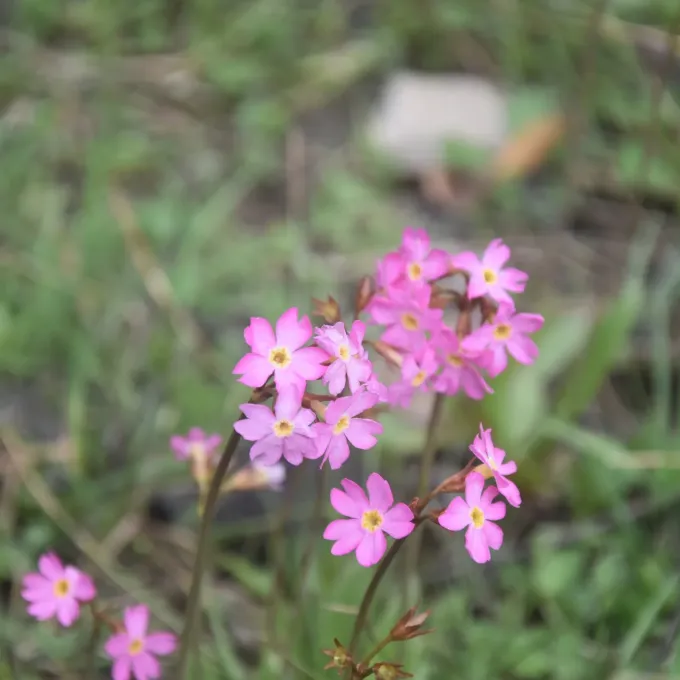
The Himalayan primrose (Primula rosea Royle) belongs to the Primulaceae family and is highly valued for its striking, vibrant pink flowers that bloom in early spring.
Propagation is typically done through seeds, which benefit significantly from a cold stratification process to overcome dormancy and ensure uniform germination.
Sowing should take place in late winter or early spring using a sterile seed-starting mix, pressing the tiny seeds onto the surface without burying them deep.
Maintain consistent humidity and temperatures around 16-18 degrees Celsius, as proper moisture levels are crucial for the delicate germination process of this species.
Once seedlings have developed their first set of true leaves, they should be transplanted into individual pots to strengthen before moving to a permanent site.
Growing requirements
This species is native to alpine meadows and stream banks in the Himalayas, meaning it requires consistently moist soil to thrive throughout the growing season.
It prefers a location with partial shade, particularly in climates with hot summers, where the soil remains cool and damp at all times.
Rich, well-draining soil with an abundance of organic matter, such as leaf mold or compost, is ideal for promoting healthy root development and flowering.
While the plant is hardy and withstands cold winters well, it does not tolerate drought conditions, which can quickly lead to plant decline and death.
In garden settings, placing the plant near the edge of a pond or in a bog garden helps meet its specific ecological requirements for moisture and soil aeration.
Main diseases and pests
Fungal diseases such as grey mold or crown rot can occur if the plant is subjected to poor air circulation or waterlogged soil conditions for extended periods.
Slugs and snails are the most common pests, as they are attracted to the succulent, moisture-rich foliage of the plant and can cause significant damage overnight.
Root rot is a persistent threat if the growing medium lacks proper drainage, leading to the suffocation of the fibrous root system typical of primula species.
Maintaining good sanitation by removing decaying leaves and preventing overcrowding helps minimize the risk of pathogen buildup in the plant crown.
Regular monitoring during the rainy season is essential to identify early signs of pest activity or disease before they compromise the entire plant clump.