
Japanese primrose
Primula japonica A. Gray
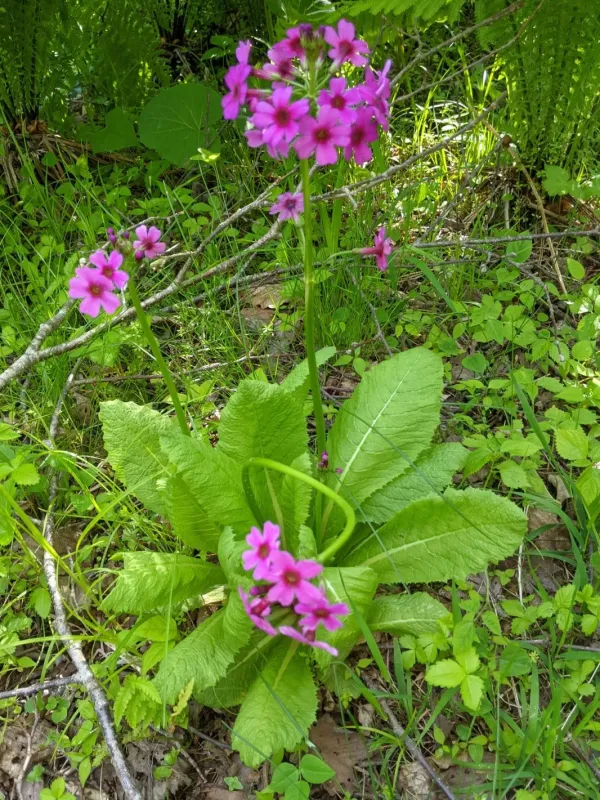
Description
Sowing dates
The sowing of Primula japonica is best performed in late autumn or early spring. Given that the seeds require a period of cold stratification to break dormancy, sowing them outdoors before winter is highly recommended for optimal germination rates.
When starting indoors, seeds should be sown in trays filled with a light, peat-based mix. Do not bury the seeds deeply, as they require some exposure to light for successful germination; instead, press them gently into the surface of the growing medium.
Maintain consistent moisture throughout the germination phase. Placing the trays in a cool area with temperatures ranging between 10 and 15 degrees Celsius helps replicate the natural environmental triggers necessary for seedling emergence.
Seedlings should be pricked out into individual pots once they have developed their first set of true leaves. This step allows the young plants to establish a robust root system before their final transition to the garden beds.
Transplanting into the permanent garden location is best done in late spring once all danger of hard frost has passed. Ensure the plants are spaced adequately, about 25 to 30 centimeters apart, to facilitate healthy growth and development.
Growing requirements
The Japanese primrose belongs to the Primulaceae family and is well-adapted to habitats characterized by high soil moisture. In its native Japan, it is commonly found in woodland clearings and along the banks of streams and brooks.
Cultivation requirements include a rich, humus-filled soil that can retain moisture without becoming waterlogged. The ideal location is a spot in partial shade, as the plant can suffer from leaf scorching if exposed to intense, direct afternoon sun.
The soil pH should be slightly acidic to neutral. Incorporating organic matter such as leaf mold or well-rotted compost into the planting site is essential for improving soil structure and supporting the high nutrient needs of the flowering plant.
This species is a hardy perennial, capable of surviving cold winters, provided the root zone is adequately protected. Mulching with organic material in the late autumn is an excellent practice to shield the crowns from freezing temperatures.
Regular fertilization during the growing season is beneficial, especially in the spring as new leaves emerge. Use a balanced, water-soluble fertilizer, but be careful not to over-apply, as excessive nitrogen can discourage floral production.
Main diseases and pests
Root rot, often caused by stagnant water or poorly drained soil, is the most common threat to the longevity of the Japanese primrose. Ensuring that the soil remains moist but not saturated is crucial for plant health.
Powdery mildew can become an issue in seasons with high humidity and poor airflow. Managing the density of the planting area and providing adequate space between individuals are effective cultural control methods against this fungal disease.
Slugs and snails are major pests, particularly in the damp, shaded environments preferred by this plant. They can rapidly defoliate the plants, requiring manual collection or the use of organic deterrents to protect the foliage.
Aphids can periodically infest the flower stalks, causing stunted growth and potential viral transmissions. Monitoring for these pests in the spring is advised, with manual removal or insecticidal soap application as common solutions.
- Regular inspection of the foliage for signs of pest damage.
- Removal of stagnant water near the base of the plant.
- Clearing weeds that could compete for nutrients and light.
- Applying natural barriers against slugs in the surrounding mulch.
- Monitoring for early symptoms of mildew to avoid systemic issues.