
Primula filchnerae
Primula filchnerae x Primula praenitens
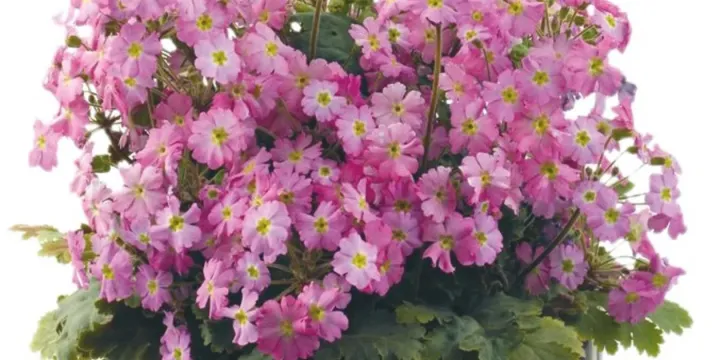
Description
Growing requirements
Primula filchnerae (Primula filchnerae × Primula praenitens) is a distinctive hybrid belonging to the Primulaceae family. It is a highly valued ornamental plant known for its specific hybrid vigor and unique foliage structure, which requires careful attention to detail.
The cultural requirements for this plant emphasize the importance of partial shade. It thrives best in environments where it receives filtered light, mimicking its natural habitat beneath trees, avoiding the harsh direct exposure of midday sun.
A high-quality, moisture-retentive soil structure is essential for its development. The medium should be rich in organic matter and possess excellent drainage properties to ensure the roots remain oxygenated throughout the active growth period.
Temperature management is critical for this species, as it is sensitive to heat stress. Maintaining stable soil moisture and providing adequate airflow around the plant helps in buffering against temperature fluctuations.
Agricultural maintenance involves consistent irrigation practices. It is crucial to keep the root zone damp but not waterlogged, as excessive standing water can rapidly lead to the decay of the root system.
Main diseases and pests
The primary health risks for this hybrid involve fungal pathogens such as grey mold and root rot. These issues are frequently triggered by poor air circulation and excessive humidity in the growing medium.
Pest management is focused on controlling mollusks like slugs and snails, which are attracted to the succulent foliage of the primula, particularly during periods of high rainfall.
Aphids and spider mites may also appear, requiring regular monitoring of the underside of leaves to prevent large-scale infestations that could sap the plant's vitality.
Proactive disease prevention includes thinning out foliage to improve ventilation and ensuring that the soil surface remains free of decaying plant debris.
The use of integrated pest management strategies, combining manual removal and appropriate biological or chemical controls, is recommended for long-term health of the crop.