
Primula filchnerae
Primula filchnerae R. Knuth
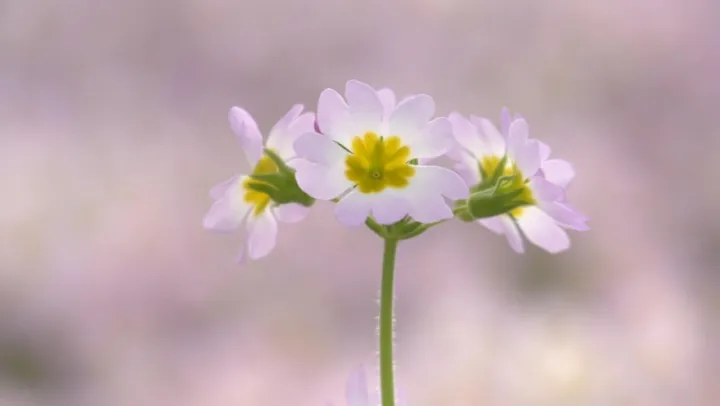
Description
Sowing dates
Primula filchnerae is a rare species requiring precise propagation techniques. The best time to sow seeds is late winter, allowing for a cold stratification period which is often essential for breaking seed dormancy.
Seeds should be sown in a high-quality, fine-textured growing medium. Maintaining a temperature range between 15°C and 18°C is critical for uniform germination of this specific primula species.
The seeds are photoblastic, meaning they require light to germinate. Therefore, they should be sown on the surface of the compost and lightly pressed down rather than covered with soil.
Once germination occurs, light intensity should be increased while ensuring the seedlings remain in a cool environment. Proper ventilation is essential during this stage to prevent damping-off diseases.
Transplanting should be done carefully once the seedlings have developed two sets of true leaves. Avoiding root disturbance is key to ensuring that the young plants establish themselves successfully in their individual pots.
Growing requirements
As a member of the Primulaceae family, Primula filchnerae is adapted to specific alpine and subalpine environments. It thrives in soils that are rich in organic matter and possess excellent drainage properties.
The plant performs best in partial shade, mimicking its natural habitat where it is sheltered from harsh, direct sunlight. Too much light can cause leaf scorch and dehydration, significantly weakening the plant.
Adequate air circulation is vital, especially in humid conditions, to prevent fungal issues. The soil should remain consistently moist but never waterlogged, as the roots are sensitive to hypoxia.
Seasonal temperature fluctuations are important for the plant's life cycle. During the growing season, a moderate, cool climate is preferred over hot and humid summer conditions.
Annual top-dressing with well-rotted leaf mold can provide the necessary nutrients and improve soil structure, which helps the plant maintain vigor throughout the flowering season.
Main diseases and pests
Fungal pathogens such as Botrytis cinerea are the primary threat during cool, damp weather. Ensuring proper space between plants and avoiding water on the leaves can drastically reduce these risks.
Root rot is a major concern caused by overwatering or poorly draining soil. If the drainage is not sufficient, the plant will quickly succumb to crown rot, especially in the dormant season.
Aphids can infest the plant, particularly in the spring, congregating around the new growth. Early detection and the use of targeted systemic insecticides can keep populations under control.
Slugs and snails are frequent visitors that can cause significant leaf damage. Implementing physical barriers like copper tape or crushed eggshells can protect the plants from these mollusks.
Red spider mites may appear during periods of low humidity. Keeping the area around the plant clean and maintaining a slightly humid microclimate is the best form of cultural prevention.