
Oxlip
Primula elatior (L.) Hill
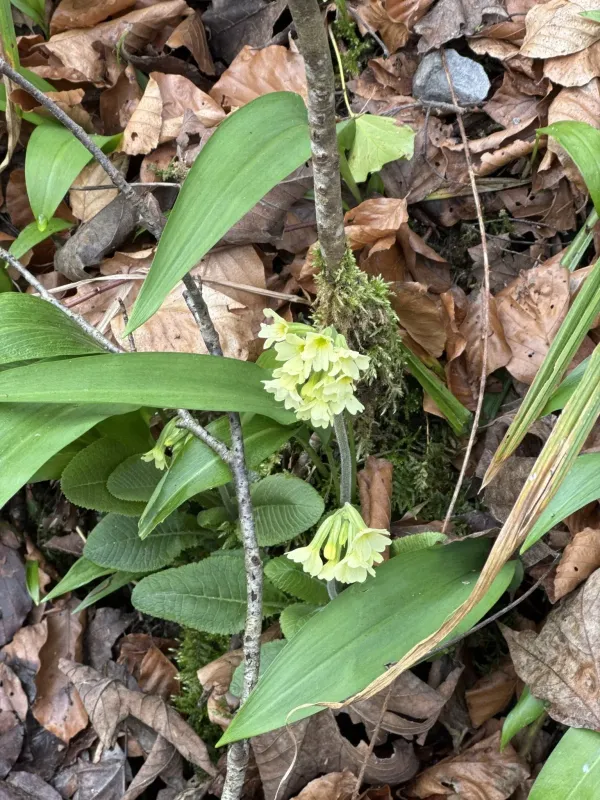
Description
Sowing dates
Seeds of Primula elatior are typically sown in the autumn to undergo natural stratification, which is essential for uniform germination. Spring sowing is also possible in greenhouses if seeds are pre-treated.
Since the seeds are extremely small, they should be sown on the surface and pressed lightly into the soil. They require light to germinate, so they should not be deeply buried.
Maintaining high humidity during the germination process is critical. Covering the seed tray with plastic or glass helps create the necessary greenhouse effect for successful sprout development.
Seedlings are pricked out once they develop two true leaves. Gentle handling of the root system is mandatory to ensure the young plants continue to thrive without stress.
When transplanting into the field, a spacing of approximately 25-30 centimeters is recommended. This provides enough room for the plants to mature and ensures adequate airflow.
Growing requirements
Oxlip, belonging to the Primulaceae family, is a valuable perennial plant that thrives in temperate climates, often found in woodland areas and meadows.
The culture prefers partially shaded environments. Direct sunlight can easily scorch the leaves, so selecting a site with protection from intense afternoon heat is vital for success.
Soil requirements include high fertility, good organic matter content, and moisture retention. A well-drained soil structure is essential to prevent waterlogging, which the plant does not tolerate.
Primula elatior is frost-hardy and adapts well to various climatic regions. Mulching the base of the plants with organic compost helps retain moisture and protects the roots during harsh winters.
Regular fertilization during the active growing season is recommended to support robust foliage growth and ensure a spectacular display of flowers in early spring.
Main diseases and pests
Fungal diseases, specifically root rot and various leaf spot infections, are the most significant threats, usually caused by poor drainage or overly humid conditions.
Pests like slugs and snails can cause substantial damage to young foliage. Implementing physical barriers or using appropriate molluscicides is a standard protective measure.
Aphids and spider mites are common pests that tend to appear during dry, hot spells. Systemic insecticides or neem-based treatments are often used for effective control.
To mitigate disease risks, it is important to remove any decaying plant tissue promptly and avoid overcrowding, as stagnant air increases the likelihood of fungal outbreaks.
Regular monitoring of the planting site for early signs of pest infestation allows for targeted intervention before the damage becomes severe.
Harvesting
Medicinal harvesting of leaves and roots typically occurs during the peak flowering phase or shortly after. Careful selection of healthy foliage ensures the quality of the raw material.
Roots are harvested in the autumn after the plant has entered dormancy. They must be thoroughly cleaned and air-dried in a shaded, well-ventilated area to preserve their medicinal properties.
For decorative purposes, flowers are harvested just as the first blooms open. This ensures they maintain their freshness and aesthetic appeal when used in floral arrangements.
It is important to manage harvest volumes carefully to avoid depleting the plant's resources. Leaving enough foliage is necessary for the plant to store energy for the next year.
Post-harvest care involves clearing debris from the plot and providing a light feeding to help the plants recover and prepare for the upcoming dormant season.