
Drumstick Primula
Primula denticulata Sm.
Description
Sowing dates
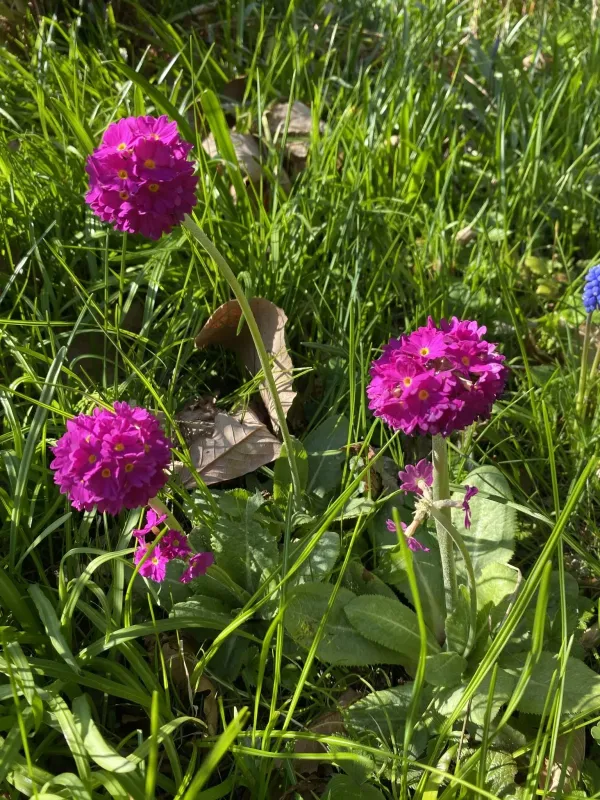
Primula denticulata, commonly known as the drumstick primula, belongs to the Primulaceae family. It is a robust perennial valued for its distinctive globe-shaped flower heads that emerge on sturdy stalks early in the season.
Propagation is typically performed through seeds sown in early spring under glass or by dividing mature clumps during the dormant season. Seedlings require careful handling and should be transplanted into fertile substrate before final outdoor placement.
Growing requirements
Originating from the Himalayas, this species thrives in cool, moist environments. Ideal soil conditions include deep, nutrient-rich loam that retains moisture without becoming waterlogged, ideally situated in partial shade to avoid midday scorching.
Consistent moisture is the primary requirement for successful cultivation. During dry spells, supplemental irrigation is mandatory to support the plant's metabolic processes and prevent the wilting of foliage, which is sensitive to dehydration.
Maintenance involves mulching with organic matter each autumn to insulate the crown and suppress weed growth. While the plant is hardy, it benefits from a protected site where early spring frosts do not damage the delicate developing buds.
Main diseases and pests
The main threats to this crop include crown rot, often triggered by poor drainage or excessive stagnant water in the root zone. Ensuring excellent soil aeration is the most effective preventative measure against such pathogens.
Common insect pests such as aphids and slugs can damage the soft foliage. Integrated pest management strategies, including the use of barriers against mollusks and localized treatment for aphids, are recommended to maintain plant vigor.