
Cortusa primrose
Primula cortusoides L.
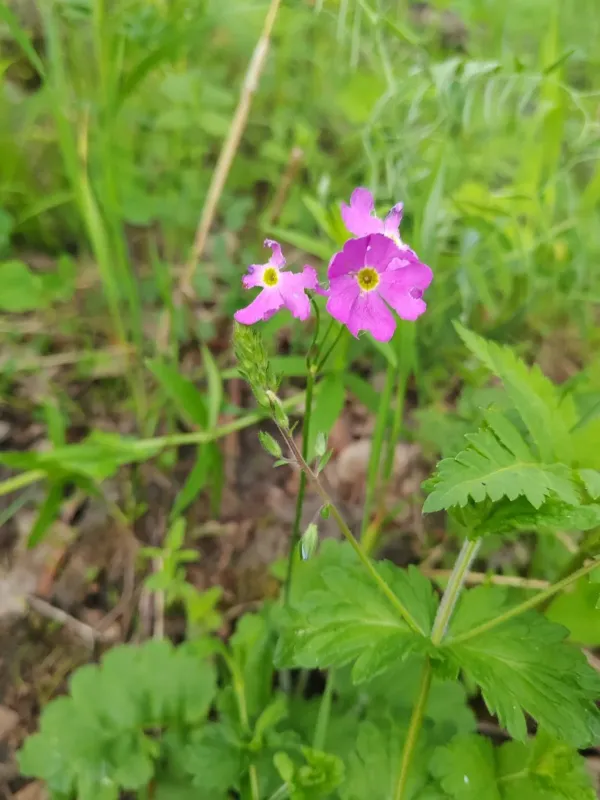
Description
Sowing dates
Primula cortusoides seeds require a period of cold stratification to break dormancy, making late autumn or winter the best time for sowing.
When sowing in outdoor containers, placing pots under snow cover provides the necessary cold treatment for the seeds to germinate successfully.
Indoor sowing should take place in early spring, ensuring the seeds are exposed to cool temperatures for several weeks before moving them to warmer areas.
The seeds are light-sensitive and should not be buried; pressing them gently into the surface of a moist, sterile seed-starting mix is ideal.
Seedlings develop relatively slowly and require careful attention to humidity and light levels to prevent leggy growth during the early stages.
Growing requirements
As a member of the Primulaceae family, the Cortusa primrose thrives in moist, woodland-like environments with dappled sunlight throughout the day.
The ideal soil for this species is rich in organic matter, loose, and well-drained, as it dislikes heavy, waterlogged clay soils that promote root decay.
Consistent moisture is vital for this primrose; during hot, dry summer periods, supplementary watering is often required to maintain plant vigor.
It prefers cooler climates and should be sheltered from the harsh afternoon sun, which can easily scorch the delicate foliage of the plant.
In terms of fertilization, a light application of compost or balanced liquid fertilizer in early spring helps support vigorous growth and blooming.
Main diseases and pests
Root rot remains the most significant threat, typically caused by over-irrigation or planting in soil that lacks proper drainage systems.
Leaf spot fungi can be problematic during periods of prolonged wet weather, requiring good air circulation and prompt removal of affected leaves.
Slugs and snails are common garden pests that find the succulent foliage of Primula cortusoides highly attractive, especially in shaded, damp spots.
Aphids and spider mites may occasionally infest the plants, particularly if the primroses are stressed by heat or lack of consistent water.
Integrated pest management, including regular manual inspection and timely application of organic insecticidal soaps, is effective in keeping plants healthy.
Harvesting
This species is primarily utilized for its ornamental value in shade gardens, woodland plantings, and rock garden borders due to its early spring display.
Seed harvesting should occur when seed pods turn brown but before they split, ensuring that seeds are collected at the peak of their maturity.
Vegetative propagation through division is best performed in the post-flowering phase or early autumn, which allows roots to establish before winter.
Removing spent flower stalks encourages the plant to put its energy into root and leaf development rather than excessive seed production.
Primula cortusoides serves as an excellent companion plant for other shade-loving perennials, offering a delicate texture and vibrant color to the garden.