
Primula bulleyana
Primula bulleyana Forrest
Description
Sowing dates
Seeds of Primula bulleyana are best sown in late autumn or early winter directly outdoors, as they require cold stratification to break dormancy. For indoor cultivation, use seed trays filled with a light, sterile seed-starting mix.
Surface sow the seeds, pressing them gently into the compost without covering them with soil, as they require light to germinate. Maintain a temperature of 15–18 degrees Celsius and ensure high humidity during the germination phase.
Prick out the seedlings once they develop two or three true leaves. Transplant them into individual pots and keep them in a shaded, cool spot before eventually moving them to their permanent garden location.
Space the plants about 30–40 centimeters apart to allow for proper airflow. This spacing is crucial for preventing humidity-related diseases that can affect the foliage of the primroses.
Vegetative propagation via root division is another viable method for established plants. Divide the clumps every three to four years, preferably after the flowering period, to keep the plants vigorous.
Growing requirements
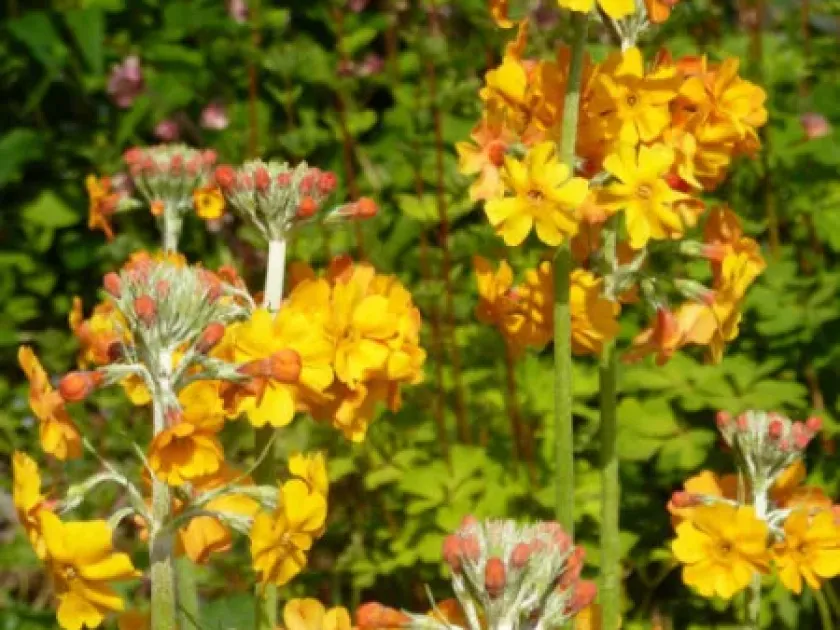
Primula bulleyana is a herbaceous perennial belonging to the Primulaceae family, native to the damp, mountainous regions of China. It is highly valued for its striking orange-red whorled flowers and ease of cultivation in suitable environments.
The plant thrives in partial shade or dappled sunlight. It does not tolerate full, scorching sun, which can dehydrate the plant and cause the foliage to wilt and brown during the heat of summer.
The soil should be rich in humus, well-draining, and slightly acidic. While these primroses love moisture, they do not tolerate waterlogged conditions, particularly during the dormant winter months.
Regular watering is essential throughout the growing season to ensure the soil remains consistently moist but not saturated. Mulching with organic matter helps retain moisture and keeps the roots cool.
Fertilizing is beneficial in early spring and again after the plant finishes flowering. A balanced, slow-release fertilizer or a generous layer of compost is usually sufficient to support healthy growth.
Main diseases and pests
Fungal diseases, including leaf spot and gray mold, are the primary threats when air circulation is poor or humidity is excessive. Maintaining proper spacing and removing dead foliage helps to mitigate these risks.
Root rot is a common issue if the soil lacks sufficient drainage. If signs of rot appear, it is essential to improve the soil structure immediately and remove any damaged parts of the plant.
Slugs and snails are the most notorious pests for this species, especially in damp gardens. Using organic barriers or slug pellets can help protect the leaves from significant damage.
Aphids can sometimes infest the flower stems in spring. Regular monitoring and the application of mild horticultural soaps or insecticidal sprays are effective ways to control these populations.
Good garden hygiene, such as removing weeds and old plant debris, remains the best preventative measure against most pests and pathogens that could otherwise compromise the health of the primrose.