
Auricula
Primula auricula L.
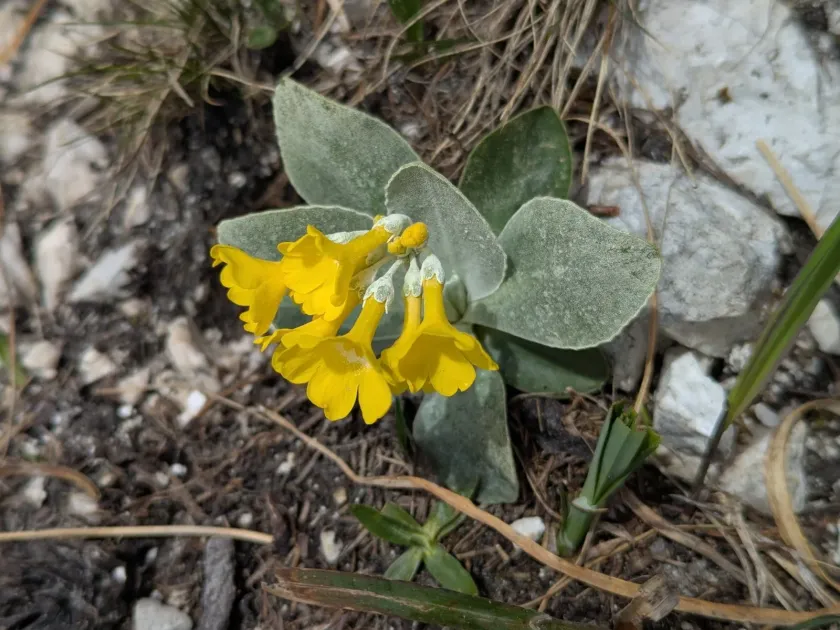
Description
Sowing dates
Propagation of Primula auricula from seed requires cold stratification for 4 to 8 weeks to break dormancy. Seeds should be sown on the surface of well-drained, sterile potting media and kept in a cool, bright location until germination occurs.
Seedlings develop slowly and require consistent moisture and protection from direct sunlight during their early growth stages. Pricking out into individual modules or small pots should be performed once the first set of true leaves is fully developed.
Division of mature clumps is the preferred method for maintaining specific cultivars. This process is best performed immediately after flowering or in early autumn, ensuring each offset has enough roots to establish quickly in new soil.
When transplanting into the garden, provide a spacing of approximately 20 cm between individual plants. Proper spacing is essential to encourage air circulation, which helps prevent the development of fungal pathogens within the dense leaf rosettes.
As a member of the Primulaceae family, the plant exhibits a robust structure adapted to rock garden environments, making it a valuable addition to rockeries and alpine displays.
Growing requirements
Auriculas thrive in well-drained, grit-based soil that mimics their natural alpine habitat. A mixture of loam, leaf mold, and horticultural grit is ideal for ensuring the drainage required to prevent root rot.
The plants require a position in partial shade, as intense sunlight can easily damage the leaves and the characteristic farina (the white, powdery dust). A north-facing or east-facing aspect is generally considered optimal for their development.
Climate requirements include protection from excessive summer heat and prolonged winter moisture. While the plants are cold-hardy, they benefit from being kept relatively dry during the dormant winter period to protect the crown from rot.
Regular but moderate watering is necessary throughout the growing season. It is critical to apply water directly to the soil, avoiding the center of the rosette, as moisture trapped in the crown is a primary cause of decay.
Annual feeding with a balanced, low-nitrogen liquid fertilizer during the spring growth phase encourages vigorous flowering. Excessive nitrogen should be avoided as it leads to weak, overly succulent growth that is more prone to pest attacks.
Main diseases and pests
Root aphids are a persistent threat to Auriculas, often appearing as a white, woolly substance around the roots. They can significantly stunt plant growth and require specific systemic insecticides for effective management.
Grey mold (Botrytis) is a frequent problem in humid or stagnant conditions. It manifests as fuzzy, grey spots on leaves and flowers, eventually turning brown and rotting. Good hygiene and ventilation are the primary defense strategies.
Slugs and snails pose a serious risk to young growth and foliage, particularly in damp spring weather. Control measures should include the use of physical barriers or organic bait to protect the aesthetic value of the foliage.
Vine weevil larvae are particularly destructive as they feed on the root system, often going unnoticed until the plant collapses. Preventive soil treatments and monitoring for adult weevils during the night are recommended.
Preventative maintenance, such as removing dead leaves and ensuring the planting site is free from debris, minimizes the environment suitable for disease development and pest colonization.