
Siebold's primrose
Primula sieboldii E. Morren
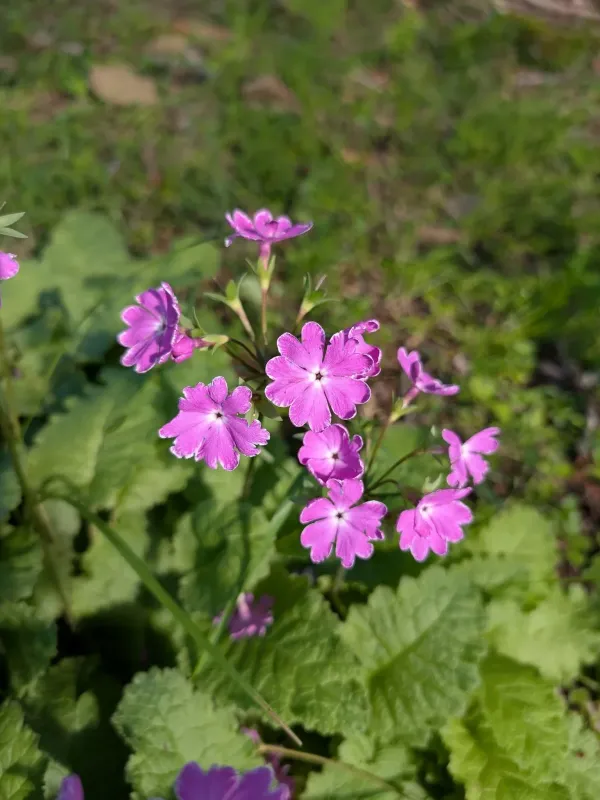
Description
Sowing dates
Sowing seeds of Primula sieboldii is typically performed in late autumn or early spring to ensure the seeds undergo a necessary cold stratification period. Without this exposure to cold, germination rates remain significantly low.
The seeds should be sown on the surface of well-drained, sterile substrate and pressed slightly into the soil. As they require light for germination, covering them with soil is not recommended; a light dusting of fine sand may be used instead.
Consistent moisture and a temperature range of +15 to +20 degrees Celsius are ideal for seedling development. Once the second pair of true leaves appears, the seedlings should be carefully pricked out into individual pots.
Transplanting into the garden bed is best done after the risk of frost has passed in late spring. Plants should be spaced 20–30 cm apart to allow for root expansion and adequate air circulation throughout the growing season.
Vegetative propagation by dividing the rhizomes is a reliable method for multiplying established plants. This should be done during the dormant period or immediately after flowering, ensuring each section has healthy roots and growth buds.
Growing requirements
Siebold's primrose is a member of the Primulaceae family, originating from temperate regions of East Asia. It is a woodland perennial characterized by its deeply lobed leaves and delicate, long-lasting flowers that appear in late spring.
The plant thrives in partial shade, mimicking its natural habitat on forest floors. It is sensitive to direct sunlight, which can induce early senescence of the foliage and significantly reduce the lifespan of the flowers.
Soils should be rich in humus, moist, and possess excellent drainage capabilities. Adding peat or organic compost improves soil structure, helping it retain essential moisture while preventing waterlogging that leads to root rot.
Regular irrigation is vital during the growing season, particularly before the foliage dies back in mid-summer. Mulching around the plants helps maintain soil temperature and moisture levels, protecting the shallow root system.
A unique feature of this species is its summer dormancy. Once the leaves yellow and wither after flowering, the plant enters a period of rest. It is essential not to disturb the soil where the rhizomes remain buried until the next season.
Main diseases and pests
Slugs and snails are the most common pests, often targeting the lush foliage during damp weather. Using physical barriers like crushed eggshells or copper tape can deter them from damaging the ornamental value of the primrose beds.
Spider mites can become a problem in hot, dry environments, causing the foliage to lose color and eventually dry out. Ensuring proper soil hydration and occasional misting of the plants can help prevent significant mite infestations.
Fungal pathogens such as grey mould are prevalent if the plants are placed in areas with poor airflow or high humidity. Removing stagnant air through thinning and ensuring clean garden hygiene significantly mitigates these risks.
Root rot is typically caused by poorly drained sites where water accumulates after heavy rains. Improving the garden bed with added sand or grit is a necessary measure to ensure long-term plant health and vigor.
Regular monitoring of the garden plot is encouraged to identify early signs of stress. By maintaining a clean environment and balanced soil moisture, growers can keep Primula sieboldii healthy and productive for many years.