
Shooting Star
Primula meadia (L.) A. R. Mast & Reveal
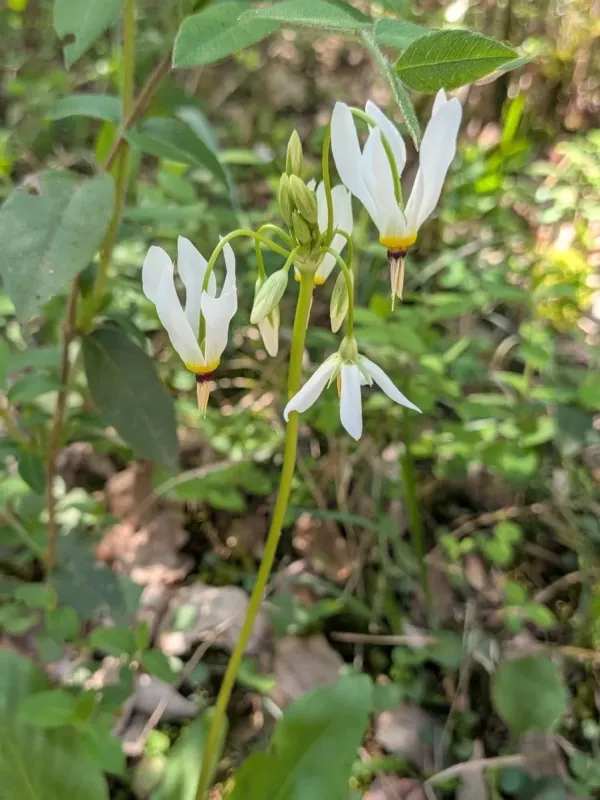
Description
Sowing dates
Seeds of Primula meadia require a period of cold stratification to break dormancy. Sowing should ideally be done in late autumn, allowing the seeds to experience natural winter temperatures, which significantly increases germination rates in early spring.
If sowing indoors, seeds should be placed in moist vermiculite or a soil mix and stored in a refrigerator at approximately +4°C for 4 to 6 weeks. After the chilling period, they are moved to a warm environment to initiate the sprouting process.
Surface sowing is recommended as the seeds are quite small and light-dependent for germination. A light dusting of fine-grained soil or sand is sufficient to hold them in place without depriving them of the necessary sunlight.
Seedlings develop slowly, making it crucial to provide consistent but gentle care. Using a sterilized potting medium helps prevent "damping-off" disease, which is a common hazard in indoor propagation of wildflower species.
Transplanting into the garden should occur once the danger of hard frost has passed. Plants are fragile during the early stages, so minimal root disturbance is essential when moving them from containers to permanent garden beds.
Growing requirements
Shooting Star is a member of the Primulaceae family, native to North American prairies and open woodlands. Its botanical beauty lies in its reflexed, petal-like lobes, which give the flower its iconic "shooting star" appearance.
The plant thrives in well-drained, humus-rich soil with a neutral to slightly acidic pH. Incorporating organic matter, such as leaf mold or well-rotted compost, into the planting site improves soil structure and nutrient availability.
Partial shade is the optimal lighting condition for this species. It enjoys protection from the harsh afternoon sun, which can cause the foliage to go dormant prematurely, a common trait in this ephemeral prairie plant.
Watering requirements are moderate but must be consistent. The soil should be kept moist during the spring growth phase, but it must never become waterlogged, as this is the primary cause of crown rot in this species.
Maintenance is relatively low, primarily involving the removal of weeds and applying a layer of mulch to conserve soil moisture. The plant typically goes dormant by mid-summer, so marking the location is advised to prevent accidental damage to the dormant roots.
Main diseases and pests
Fungal diseases like botrytis or grey mold can affect the foliage during periods of high humidity and poor air circulation. Ensuring sufficient space between plants helps mitigate the risk of these fungal infections spreading.
Slugs and snails are the most prominent pests, often feeding on the succulent leaves during damp spring weather. Utilizing iron phosphate baits or physical barriers is an effective strategy for protecting the plants from these mollusks.
Aphids occasionally target the flower stalks, causing them to wilt or deform. Monitoring the plants during the budding phase allows for quick intervention with horticultural soaps or organic pesticides if an infestation is detected.
Root-knot nematodes can weaken the plant over time, leading to stunted growth. Practicing good soil hygiene and avoiding the introduction of infected plants are the primary ways to prevent nematode-related issues in the garden.
Proper environmental management, such as maintaining correct moisture levels and providing good drainage, remains the most effective defense against most common ailments affecting this delicate perennial.