
Wulfen's primrose
Primula wulfeniana
Description
Growing requirements
Wulfen's primrose (Primula wulfeniana) is a perennial herbaceous plant belonging to the Primulaceae family. Native to the Eastern Alps, this species is highly valued in rock gardening for its ability to thrive in harsh, high-altitude limestone environments.
The cultural requirements for this plant focus on providing a cool, well-lit environment. It performs best in partial shade, where it is protected from the scorching intensity of midday sun. Proper placement is essential to simulate its natural habitat on rocky mountain slopes.
Regarding soil, Primula wulfeniana demands exceptional drainage. The soil should be alkaline or neutral, as the plant naturally grows in limestone crevices. Incorporating grit or limestone chippings into the planting hole is recommended to prevent waterlogging, which the plant cannot tolerate.
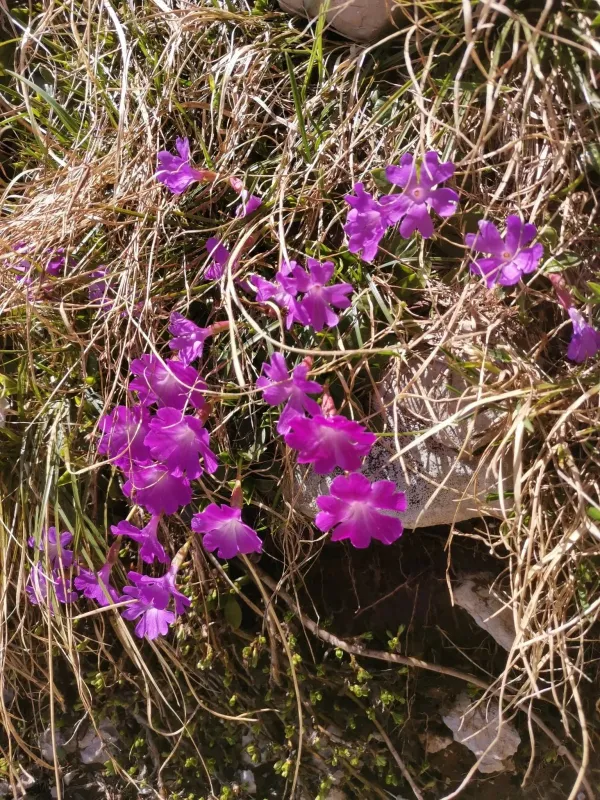
Botanically, it is distinguished by its leathery, dark green leaves that form a tight rosette. During late spring, the plant produces relatively large, vibrant violet-pink flowers that rise just above the foliage, making it a focal point in specialized rock garden displays.
Standard care involves consistent, light watering during the active growing season. Applying a layer of stone mulch around the collar of the plant is a critical horticultural practice, as it keeps the foliage dry and prevents the crown from rotting while preserving soil moisture.
Main diseases and pests
Fungal diseases related to moisture excess pose the greatest threat to this species. Root rot and collar rot are common when drainage is compromised, necessitating rigorous monitoring of the moisture levels in the substrate to avoid these detrimental conditions.
Pests such as slugs and snails represent a constant challenge, particularly in the spring when new growth emerges. Implementing integrated pest management strategies, such as physical barriers or biological controls, is effective in protecting the vulnerable rosettes from excessive grazing.
Aphids may occasionally attack the flower buds, distorting the blooms. If infestations occur, targeted application of appropriate insecticides is necessary to ensure the plant maintains its vigor and aesthetic appeal throughout the flowering period.
Good air circulation is vital for health. Planting spacing should be carefully managed so that moisture does not accumulate between plants, which could otherwise invite powdery mildew or other foliage diseases during humid weather.
While inherently hardy, protection against winter wetness is crucial. In areas with high rainfall, gardeners often use glass cloches or similar covers during the dormant period to ensure the plant does not rot during cold, damp conditions.