
Watson's Primrose
Primula watsonii
Description
Growing requirements
Primula watsonii, commonly known as Watson's Primrose, is a member of the Primulaceae family. Native to the mountainous regions of China, it belongs to the Muscarioides section, known for its distinct, spike-like inflorescences that set it apart from typical primrose species.
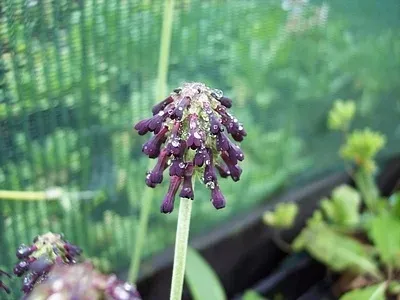
This perennial plant features a basal rosette of lance-shaped leaves, which are often pubescent. The unique structure of its flower spikes creates a significant ornamental appeal, making it a sought-after specimen for collectors of alpine and rock garden flora.
To cultivate this species successfully, it is crucial to provide a cool and humid environment. These plants are adapted to high-altitude climates and generally struggle in regions with hot, humid summers, necessitating protected spots with partial shade.
Soil requirements are strict: the medium must be light, well-draining, and rich in organic matter. A mixture of leaf mold, peat, and coarse grit is ideal to simulate the loose, nutrient-rich soil of its natural mountain habitat, ensuring both moisture retention and root aeration.
Watering must be consistent to keep the soil moist but never waterlogged. Since Primula watsonii is sensitive to soil salinity and mineral buildup, using rainwater or soft water is highly recommended for irrigation to maintain healthy foliage and robust growth.
Main diseases and pests
The primary threat to Primula watsonii is root rot, frequently caused by excessive moisture during dormant periods. Ensuring that the soil structure provides rapid drainage is the most effective way to prevent fungal pathogens from settling in the root zone.
Botrytis and other leaf spot diseases may appear if there is poor air circulation around the plants. Pruning decaying foliage regularly helps maintain plant hygiene and prevents the spread of spores during periods of high humidity.
Slugs and snails represent the most common vertebrate pests, particularly in spring when tender shoots emerge. Protective barriers or organic bait traps are often necessary to prevent significant damage to the rosette and developing flower stems.
Aphids can target the nectar-rich flower spikes, weakening the plant's overall vigor. Monitoring for signs of insect activity early in the season and implementing integrated pest management techniques helps in preserving the bloom's quality.
Root-knot nematodes can also pose a serious threat to the longevity of the plant in a garden setting. Rotating planting locations and ensuring that new stock is free from infestations are vital steps in managing long-term health and preventing colony decline.