
Tyrol primrose
Primula tyrolensis
Description
Growing requirements
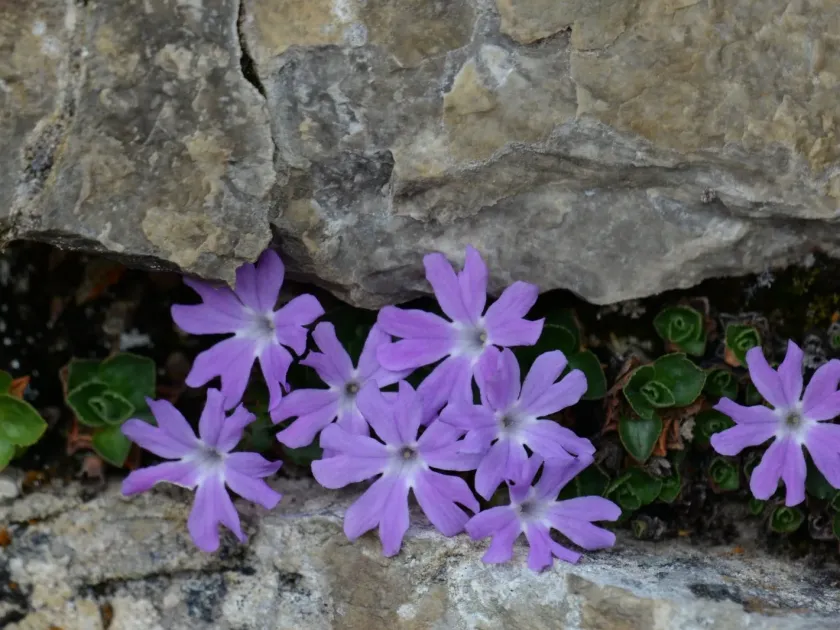
The Tyrol primrose (Primula tyrolensis) is a miniature perennial herb belonging to the Primulaceae family. It is highly valued in rock gardening for its compact, cushion-forming habit and vibrant, deep pink to magenta flowers that emerge in late spring.
Native to the Eastern Alps, this species thrives in crevices of limestone cliffs at high altitudes. Its natural habitat dictates specific cultural needs, primarily focusing on extreme drainage, cool air temperatures, and protection from intense mid-day heat during the growing season.
When grown in a garden setting, it requires a well-draining, gritty, and alkaline substrate. It is best suited for troughs, scree beds, or specialized alpine rock gardens where its roots can penetrate deep into cool, moist rock fissures without the risk of waterlogging.
Climatic requirements involve stable environmental conditions. It prefers locations that mimic northern or eastern exposures, where the plants receive morning light but are shielded from the drying and scorching effects of the afternoon sun, which can cause severe stress to alpine flora.
The agronomic management includes gravel mulching around the collar of the plant to prevent contact with wet soil, thereby avoiding tissue decay. Controlled irrigation is essential, as the plant demands consistent moisture but cannot tolerate stagnant water at the root level.
Main diseases and pests
Fungal diseases are the primary threat to the Tyrol primrose, particularly root and crown rot. These pathogens thrive in stagnant conditions where air circulation is poor, making proper drainage and careful watering critical management tasks for any gardener.
Slugs and snails pose a consistent threat to the foliage and flower buds, especially during rainy spring seasons. Implementing mechanical barriers or using non-toxic baits can effectively prevent these pests from destroying the delicate rosettes of the plant.
The spider mite is a common pest during hot and dry spells. These pests suck sap from the leaves, causing them to yellow and wilt. Regular monitoring and maintaining high humidity around the plants are standard preventative measures used to keep populations in check.
Soil-borne nematodes can cause stunted growth by damaging the root system, often leading to a general decline in plant health. Utilizing pasteurized soil mixes when planting in containers is an effective strategy to prevent the introduction of these harmful organisms.
Leaf spot diseases can also occur if the humidity is too high and the foliage remains wet for extended periods. Thinning out nearby vegetation and ensuring the plants are situated in an area with good air movement will significantly reduce the likelihood of disease outbreaks.