
Reid's Primrose
Primula reidii
Description
Growing requirements
Reid's Primrose (Primula reidii) is an exquisite perennial herbaceous plant belonging to the Primulaceae family. It is native to the high-altitude regions of the Himalayas, where it has evolved to thrive in specialized alpine meadow environments.
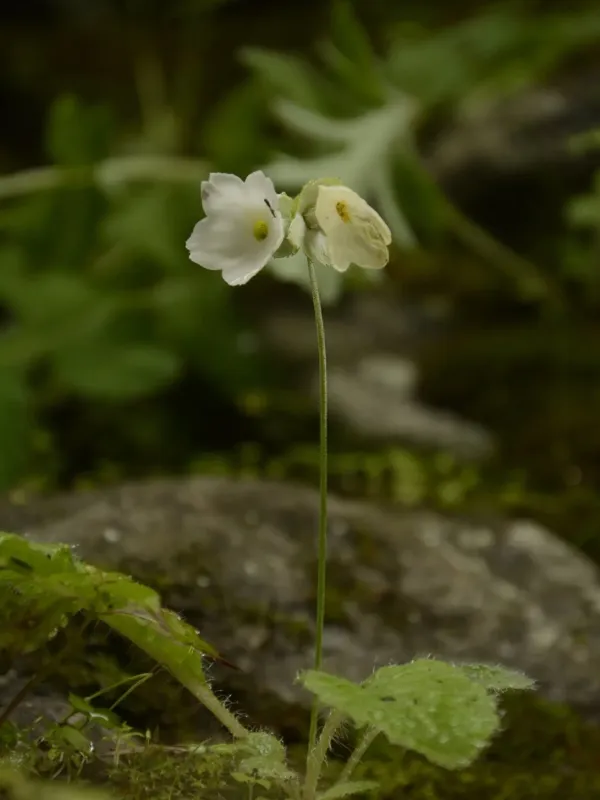
The plant is botanically distinguished by its compact rosette of pubescent leaves and elegant scapes featuring nodding, bell-shaped flowers. Its floral display, often characterized by delicate white or pale blue tones, makes it a highly sought-after species for collectors.
Cultivation requirements are strict and revolve around mimicking its native mountainous climate. Success depends on maintaining cool temperatures, high air humidity, and exceptional soil drainage. It cannot tolerate heat stress or stagnant water around the root collar.
The ideal growing medium must be loose, rich in organic matter, and slightly acidic to neutral in pH. Proper site selection is vital, as the plant prefers semi-shaded conditions that provide protection from direct midday sunlight, which can easily scorch the foliage.
The primary use of Primula reidii is in specialized horticultural displays. It is a prized feature in alpine rock gardens, specialized troughs, or cold greenhouse settings where the microclimate can be carefully regulated to meet its demanding needs.
Main diseases and pests
The most significant threats to Reid's Primrose are fungal pathogens associated with excessive soil moisture and poor air circulation. Root and crown rot are particularly devastating, often appearing rapidly during periods of high humidity or poor drainage.
Pest pressures primarily include slugs and snails, which can consume entire foliage rosettes overnight during damp conditions. In greenhouse environments, growers should also be vigilant against infestations of aphids and spider mites, which can weaken the plant and hinder development.