
Mealy primrose
Primula pulverulenta
Description
Sowing dates
Sowing Mealy Primrose seeds requires attention to freshness, as their germination rate declines significantly if the seeds are stored for too long.
The optimal sowing technique involves surface sowing, as the seeds need light to trigger the germination process, and they should be pressed lightly into the soil.
Cold stratification is a critical step for spring-sown seeds, requiring a period of 4 to 6 weeks at low temperatures to break seed dormancy.
Once germinated, the seedlings should be grown in cool, bright conditions to prevent them from becoming leggy and weak before being transplanted.
Transplanting into the garden should ideally occur in the early autumn or spring, providing the plants enough time to establish their root systems before extreme temperatures.
Growing requirements
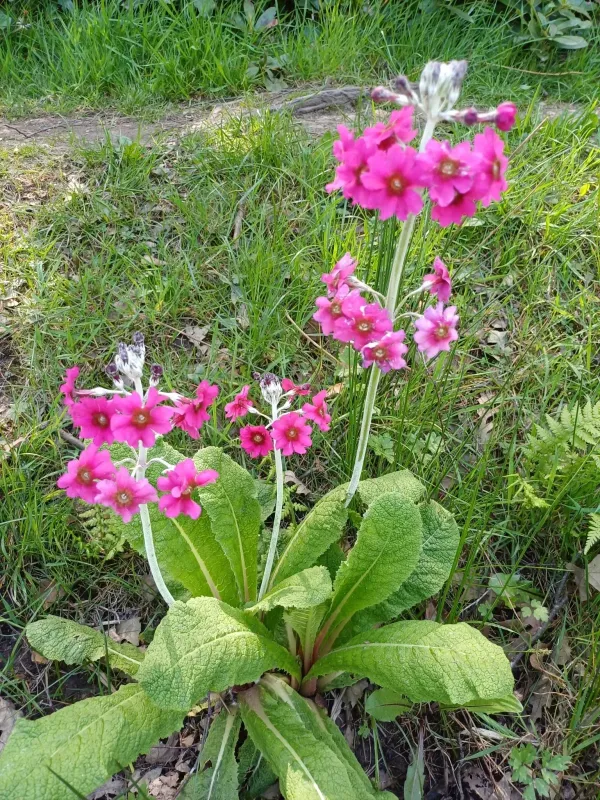
Primula pulverulenta belongs to the Primulaceae family and is recognized for its tall, elegant spikes covered in a distinct white farina or mealy powder.
This species naturally thrives in moist, meadow-like environments, preferring cool, humus-rich soil that remains consistently damp throughout the growing season.
Site selection is vital; the plant performs best in dappled shade or areas where it is protected from the intense heat of direct afternoon sun exposure.
Maintaining soil structure is essential, so incorporating well-rotted organic matter or leaf mold is recommended to ensure both moisture retention and aeration.
While the plant is hardy in many climates, protecting it from winter drought or extremely deep frosts can be achieved by applying a layer of organic mulch.
Main diseases and pests
Root rot is the most common threat, primarily caused by waterlogged soil conditions that suffocate the root system and lead to quick plant decline.
Slugs and snails are the most persistent pests for this primrose, often feeding on foliage and potentially damaging the heart of the plant during rainy spells.
Leaf spot and gray mold can occur when plants are crowded, making the use of adequate spacing a primary preventative measure in the garden landscape.
In hot and dry conditions, spider mites may infest the plant, causing the leaves to yellow and lose their vigor, which necessitates monitoring during heatwaves.
Routine garden sanitation, including the removal of dead or dying foliage, is highly effective in reducing the pressure from most common fungal diseases.