
Dwarf primrose
Primula nana
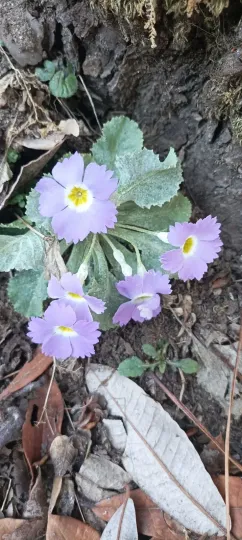
Description
Sowing dates
Sowing seeds of Primula nana in protected conditions is typically carried out in late winter or early spring, around February or March. The seeds require mandatory stratification to increase germination energy, as they possess a pronounced dormancy period.
When using the seedling method, seeds are distributed over the surface of a nutrient-rich substrate without burying them, only lightly dusting them with a thin layer of vermiculite or sand. Seedlings must be kept under film to maintain constant humidity.
Pricking out the seedlings is carried out when the second pair of true leaves develops. Transplanting into open ground should only be done after stable warm weather has set in, usually in May, once the risk of night frosts has passed.
An important factor during sowing is maintaining the correct temperature regime: seed germination is most effective at an air temperature between +15 and +18 degrees Celsius.
The chosen site for sowing or planting should be oriented toward shaded areas, as this culture reacts extremely negatively to direct exposure to midday sunlight during the spring and summer periods.
Growing requirements
Dwarf primrose, belonging to the Primulaceae family, prefers light, loose, and well-structured soils with a high organic matter content. An optimal option is a loamy substrate with a neutral or slightly acidic pH level.
Continuous soil moisture is required for the plant's normal development; however, stagnant water in the root zone is unacceptable as it leads to rapid root rot. Drainage is a mandatory condition when growing on heavy soils.
The crop has high requirements for air humidity levels. During dry periods, it is recommended to conduct fine misting to prevent the leaf rosette from drying out.
Lighting for this species should be diffused. Direct sun for prolonged periods causes chlorosis and premature wilting of the plant's decorative parts; therefore, partial shade provided by trees or shrubs is the best location.
The temperature range for vegetation must be moderate. The dwarf primrose does not tolerate prolonged heat above +25 degrees Celsius, so artificial shading must be provided in southern regions.
Main diseases and pests
The main danger for primrose plantings is root rot, triggered by fungi of the Fusarium and Phytophthora genera. The disease develops actively during excessive watering and poor soil aeration.
A frequent occurrence on the leaves is powdery mildew, which manifests as a white coating. At the first signs of infection, the use of systemic fungicides and the removal of damaged plant parts are necessary.
Among pests, slugs and snails cause the most damage by eating the tender leaf plates during damp weather. Barrier methods and special preparations based on metaldehyde are used to control them.
Spider mite infestations are also possible during hot and dry growing periods. The pest settles on the underside of the leaf, leading to the appearance of yellow spots and the gradual drying of the foliage.
- Root rot and wilt
- Powdery mildew
- Slugs and snails
- Spider mites