
Mistassini primrose
Primula mistassinica
Description
Growing requirements
The Mistassini primrose (Primula mistassinica) is a small perennial plant belonging to the Primulaceae family. Native to North America, it is widely distributed across Canada and parts of the northern United States, inhabiting cool and moist ecosystems.
In its natural habitat, the plant thrives in calcareous wet soils, rocky outcrops, and shoreline environments. It is highly adapted to northern climates, demonstrating resilience to low temperatures and short growing seasons typical of its geographical range.
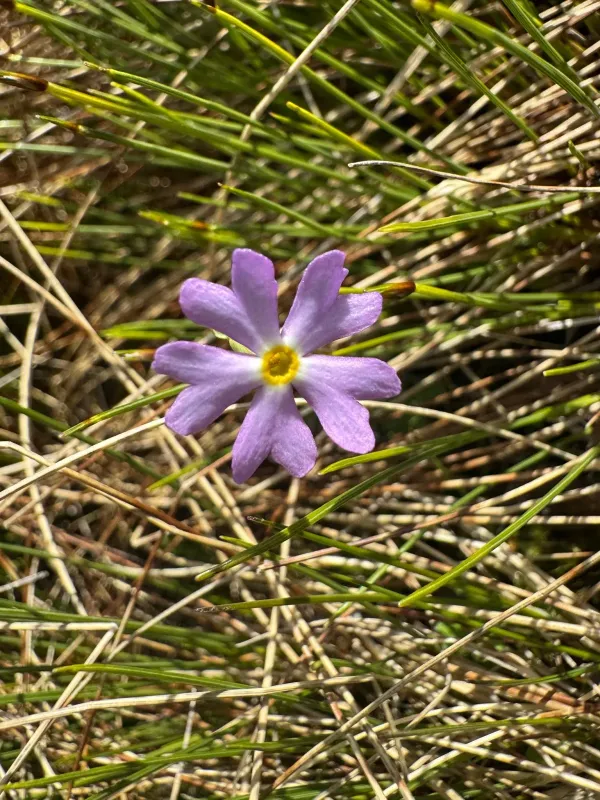
Botanically, the plant forms a small, neat rosette of leaves from which thin stalks emerge, bearing delicate, often fragrant flowers. The blossom color ranges from white to lavender and pink, providing a significant aesthetic appeal for specialized botanical displays.
Cultivation requires careful attention to environmental conditions. It demands cool ambient temperatures, consistent soil moisture, and excellent drainage. Providing a substrate with a neutral to slightly alkaline pH is beneficial for maintaining plant vigor.
This species is predominantly used in specialized ornamental horticulture. It is highly sought after for rock gardens, trough gardens, and alpine collections where its specific environmental needs can be meticulously managed by experienced gardeners.
Main diseases and pests
Crown rot and other fungal pathogens pose the most significant threat to the Mistassini primrose. These issues typically emerge when soil drainage is poor or when the plant is kept in overly saturated conditions for extended periods without air circulation.
Pests such as spider mites and aphids can become problematic in dry or overly warm microclimates. Furthermore, slugs and snails are common garden pests that can severely damage the soft leaf tissue if not managed through proper monitoring or physical deterrents.