
Kaufmann primrose
Primula kaufmanniana
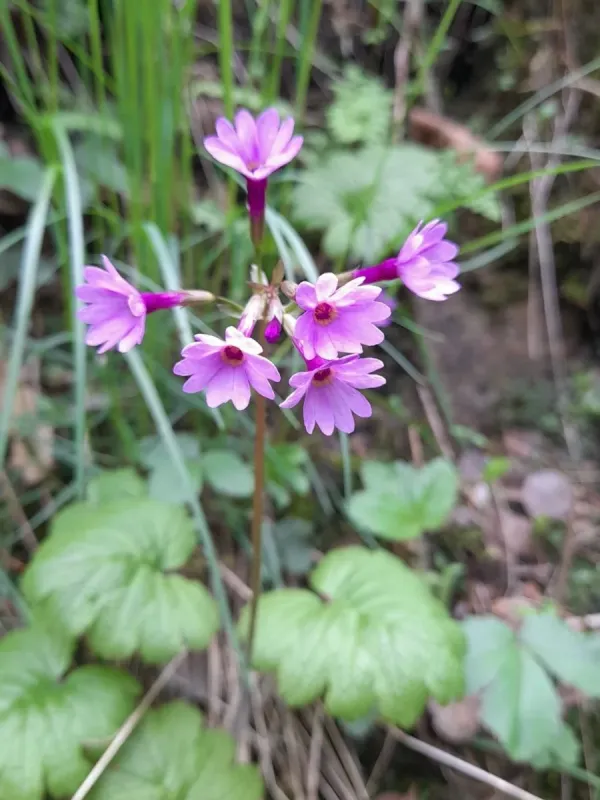
Description
Growing requirements
Kaufmann primrose (Primula kaufmanniana) is a member of the Primulaceae family. It is a perennial herbaceous plant native to the mountainous regions of Central Asia, specifically the Tian Shan mountains.
The plant is characterized by a basal rosette of leaves and delicate flowering stems. It thrives in cool, moist environments and is specifically adapted to the climate of alpine meadows and rocky slopes.
For successful cultivation, it requires well-drained, fertile soil rich in organic matter. A site with partial shade is ideal, as the plant does not tolerate intense, direct midday sun, which can cause significant heat stress.
Agricultural techniques focus on maintaining consistent soil moisture. During the active growing season, irrigation should be regular, but the soil must never be waterlogged, as poor drainage is the primary cause of root rot.
In terms of usage, it is primarily a decorative plant used in rock gardens and alpine-style landscaping. Its early blooming period makes it a valuable addition to spring flower beds in suitable climatic zones.
Main diseases and pests
Common pests include spider mites and aphids, which are particularly problematic in dry and warm conditions. Frequent monitoring of the leaf undersides is recommended to catch infestations early.
Diseases such as powdery mildew and root rot represent the main threats to the plant's health. These are often caused by poor air circulation around the foliage or excessive humidity levels in the soil.
Effective management includes maintaining proper spacing between individual plants to promote airflow. This simple practice significantly reduces the risk of fungal spores settling and germinating on the leaves.
Fungicides can be used if an outbreak occurs, while insecticidal soaps or specific pesticides are recommended for pest control. Always ensure the products used are safe for delicate garden perennials.
General hygiene, such as removing decaying plant debris in late autumn, is essential for disease prevention. By keeping the site clean, the grower reduces the risk of pathogens overwintering in the soil.