
Julia's primrose
Primula juliana
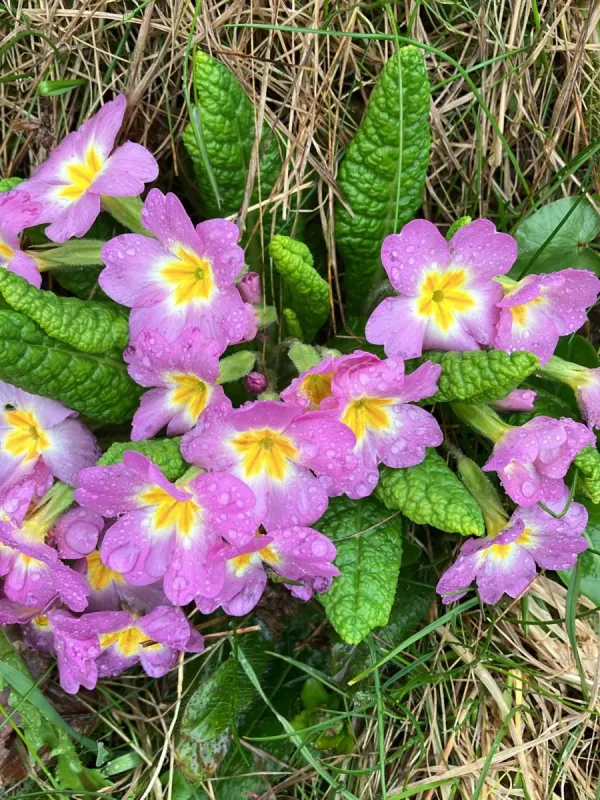
Description
Sowing dates
Julia's primrose (Primula juliana) is a perennial herbaceous plant belonging to the Primulaceae family. It originates from the Caucasus mountains, where it grows in cool, moist, and shady environments.
The most common method of propagation is division. It is best to divide established clumps in early spring or late summer, ensuring each new division has a healthy root system and a crown.
Seed propagation is possible but requires a cold stratification period. Sowing in late autumn allows the seeds to experience natural winter temperatures, which significantly improves germination rates in spring.
The plant spreads horizontally, creating dense, colorful mats. When planting, it is recommended to space individual plants about 20-30 centimeters apart to allow them room to grow.
Cultivation requires minimal intervention, but removing dead foliage in the spring helps keep the plant healthy and encourages new growth throughout the season.
Growing requirements
This species thrives in partial shade. While it can tolerate some sun, excessive heat and direct sunlight should be avoided to prevent leaf scorch and dehydration.
Soil should be rich in organic matter, moist, and well-drained. A slightly acidic to neutral pH level is ideal for the optimal development of this primrose variety.
Consistent moisture is key for successful growth. The soil should never dry out completely, but drainage must be excellent to prevent the roots from sitting in stagnant water.
The plant is highly hardy and can withstand freezing winter temperatures. Applying a layer of mulch in the autumn helps protect the roots and maintains soil humidity.
Feeding the plants with a balanced fertilizer in the early spring, as soon as growth starts, will provide the nutrients necessary for a dense and vibrant display of flowers.
Main diseases and pests
Primary health issues include root rot and fungal leaf spots. These often occur in sites with poor drainage or insufficient air circulation around the foliage.
Common pests include slugs and snails, which feed on the succulent leaves. Aphids and spider mites may also appear during warm, dry spells, weakening the plant.
Integrated pest management, including cleaning debris and thinning out dense clumps, helps minimize the risk of both pest infestations and fungal pathogens.
Fungicides and insecticides should be used carefully if damage reaches critical levels, targeting the specific pest or disease identified during regular monitoring.
Maintaining a healthy, well-weeded garden bed is the best preventive measure to ensure the longevity and decorative appeal of Julia's primrose.